Hyperbaric Oxygen Therapy (HBOT) vs. Standard Recovery
Discover the differences between hyperbaric therapy and traditional recovery. Learn how Dr. Antonio García Rodríguez integrates the HBOT to optimize healing and aesthetic results.
.png)
After cosmetic or reconstructive surgery, the recovery process is as important as the procedure itself. Proper post-operative planning can make the difference between optimal healing and a compromised outcome. In recent years, hyperbaric therapy (HBOT) has gained prominence as an effective support to accelerate recovery and improve aesthetic results.
Dr. Antonio Garcia Rodriguez, a specialist in plastic, aesthetic, and reconstructive surgery, integrates into his practice a comprehensive approach to postoperative care that considers both the patient's general health and the conditions necessary for a safe and effective recovery. Within this approach, hyperbaric therapy emerges as a tool of proven clinical value.
What is Hyperbaric Therapy (HBOT)
La hyperbaric therapy consists of breathing pure oxygen in a pressurized chamber. Under these conditions, the body can absorb much more oxygen than usual, which promotes cell regeneration and the repair of damaged tissues.
During an HBOT session, the patient remains at rest inside the chamber while atmospheric pressure gradually increases. This process allows oxygen to dissolve in the blood and reach inflamed areas or areas with reduced irrigation more effectively.
HBOT has been used in medicine for decades to treat radiation injuries, chronic ulcers, or resistant infections. However, its application in the field of cosmetic surgery has been shown to provide significant benefits in the recovery phase.
You may also be interested in our blog, Hyperbaric oxygen therapy: How does it help your recovery?
Standard Postoperative Recovery: Essential Care
In a conventional recovery, the process depends on factors such as adequate rest, inflammation control, wound hygiene, and medical follow-up. The body, on its own, initiates natural repair mechanisms that allow tissue regeneration.
The rest, the balanced nutrition, and the moisture are basic pillars, as is strict compliance with medical indications. In many cases, lymphatic drainage, use of compression bands, and monitoring for warning signs are recommended.
Although this traditional approach is often sufficient, there are patients who have a slower recovery or are at greater risk of inflammation, fibrosis, or irregular pigmentation. This is where HBOT can make a significant difference.
Main differences between HBOT and standard recovery
The main difference lies in the body's ability to receive oxygen. While in a conventional recovery, oxygen comes through natural circulation, HBOT allows tissues to be saturated at much higher levels, accelerating processes that would otherwise be slower.
The increase in oxygenation favors:
- More uniform and faster healing.
- The reduction of edema and inflammation.
- Lower risk of infections and tissue necrosis
- Better recovery of skin color and texture.
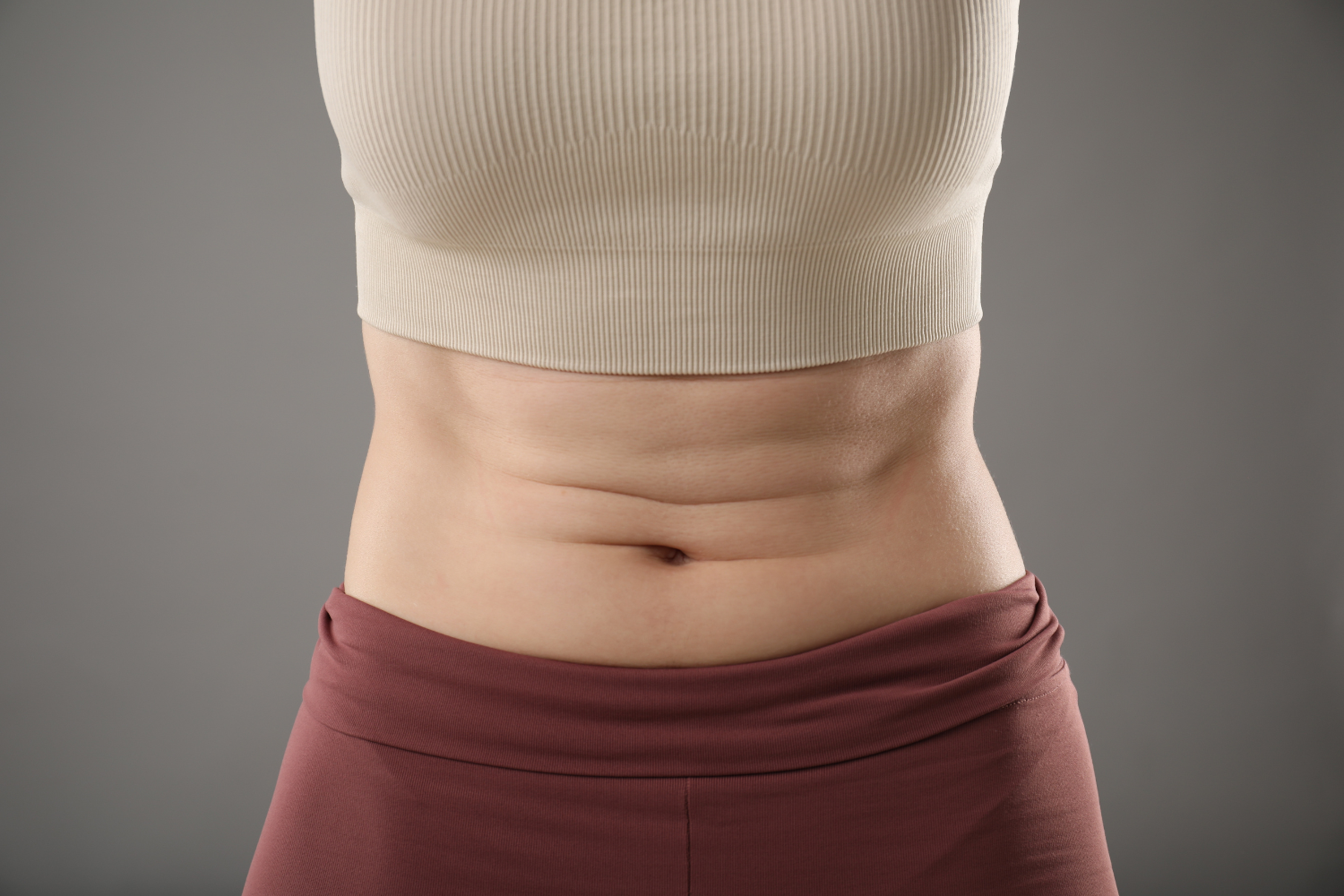
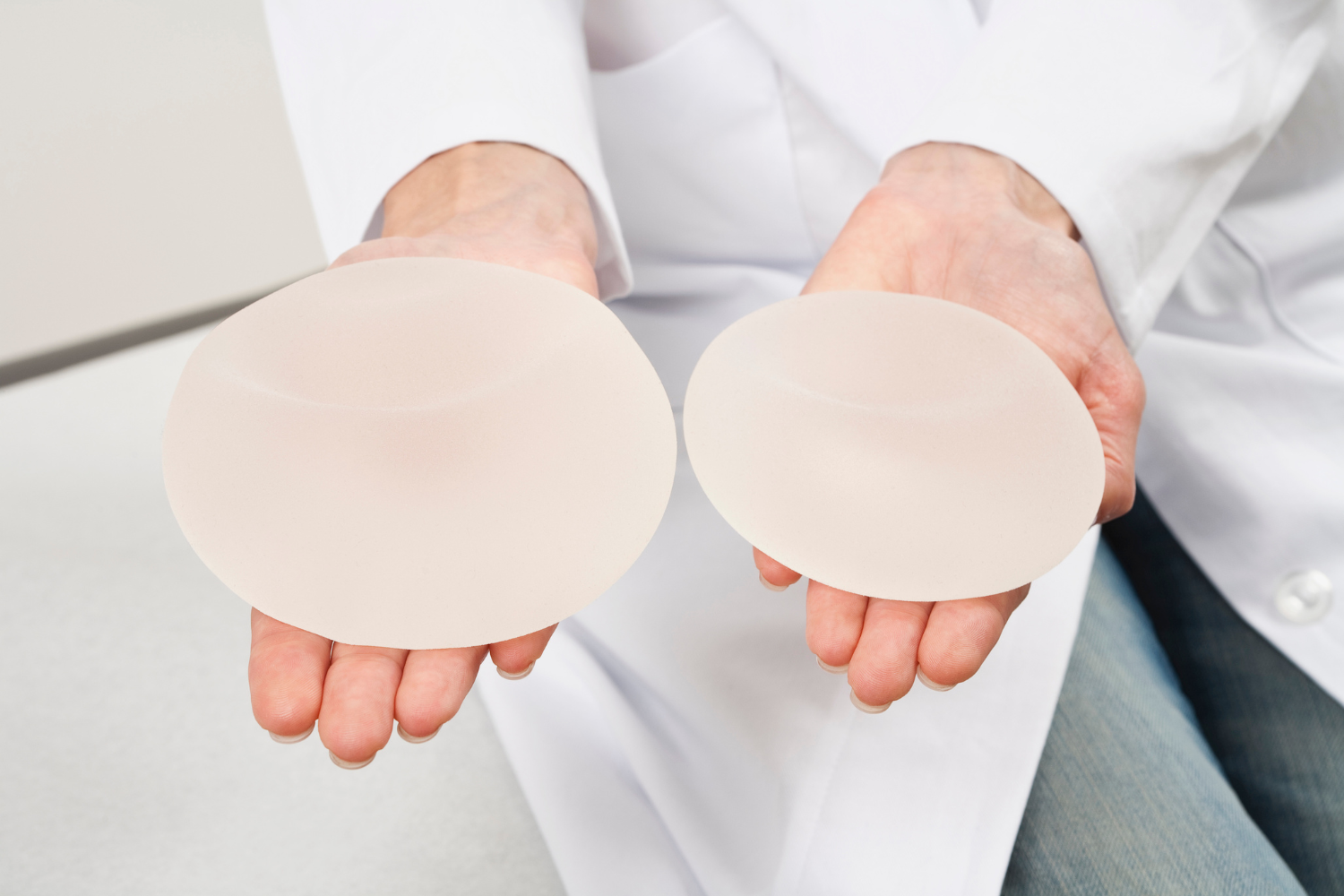
In procedures such as Abdominoplasty, body contouring, Liposuction, or breast augmentation, these effects can translate into a more comfortable recovery and with better defined aesthetic results.
Clinical benefits of hyperbaric therapy in plastic surgery
Clinical evidence indicates that HBOT contributes to a more efficient regeneration of damaged tissue, especially in areas with vascular tension or involvement.
In addition, there has been a reduction in the appearance of bruises and seromas, as well as a marked improvement in patient comfort during the first few weeks. Some patients also report less tightness or post-operative pain.
Dr. García Rodríguez highlights the importance of integrating this therapy under medical supervision and in combination with traditional care, never as a substitute for post-operative follow-up. The HBOT acts as a complement that enhances natural repair mechanisms.
Limitations and clinical considerations
While hyperbaric therapy is safe and non-invasive, not all patients are ideal candidates. People with certain respiratory conditions, ear problems, or a history of pneumothorax should be evaluated with caution.
It is also important to note that effectiveness depends on the number of sessions and the time the therapy is initiated. In general, it is recommended to start within the first postoperative week, provided that the surgeon authorizes it.
Dr. García Rodríguez stresses that each case must be evaluated individually. Factors such as the type of surgery, general health, and skin characteristics influence the decision to incorporate HBOT into the recovery plan.
Medical evidence and recent studies
Several clinical studies have demonstrated that hyperbaric oxygen therapy accelerates the healing of surgical wounds and reduces the incidence of complications. Publications in specialized medical journals have documented improvements in vascularization and tissue immune response.
While not a substitute for traditional care, HBOT reinforces outcomes by creating a more favorable physiological environment for cellular repair. Its use is increasingly widespread in internationally renowned plastic surgery clinics.
You may also be interested in: ”Tips to take care of your post-operative drains”.
Advanced Recovery: The Value of a Comprehensive Approach
The success of a surgery depends not only on the surgical technique, but also on the quality of the recovery process. Incorporating hyperbaric therapy as part of a comprehensive medical protocol can accelerate healing and provide more aesthetic and lasting results.
Dr. Antonio Garcia Rodriguez and his team assess each patient's needs in a personalized way to recommend the best postoperative strategy, combining experience, innovation, and specialized medical care.
Are you in the process of recovery, or are you planning cosmetic surgery? Complete the contact form for guidance on how to optimize your recovery with a personalized plan.
Frequently Asked Questions (FAQ)
Does hyperbaric therapy hurt, or is it uncomfortable?
No. The session takes place in a closed chamber where the patient remains at rest. The most common is to feel a slight pressure in the ears similar to that of a flight.
How many sessions are recommended?
It depends on the type of surgery and the pace of recovery. On average, 5 to 10 sessions under medical supervision are indicated.
Can it replace traditional post-operative care?
No. Hyperbaric therapy is a complement that enhances results, but it never replaces medical examinations, rest, or treatments indicated by the surgeon.
When can sessions start?
In most cases, it can be started within the first week after surgery, always with authorization from the treating doctor.