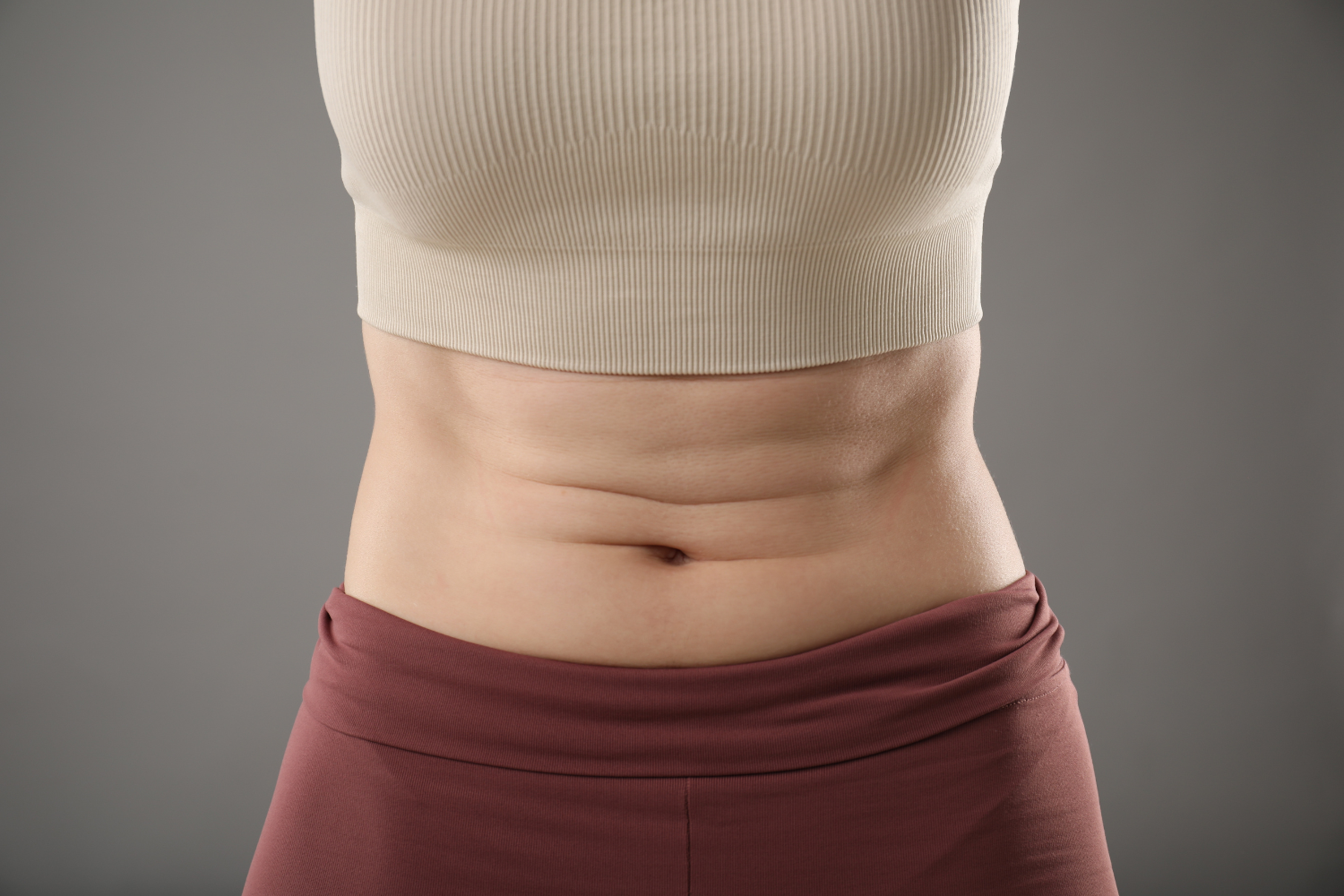
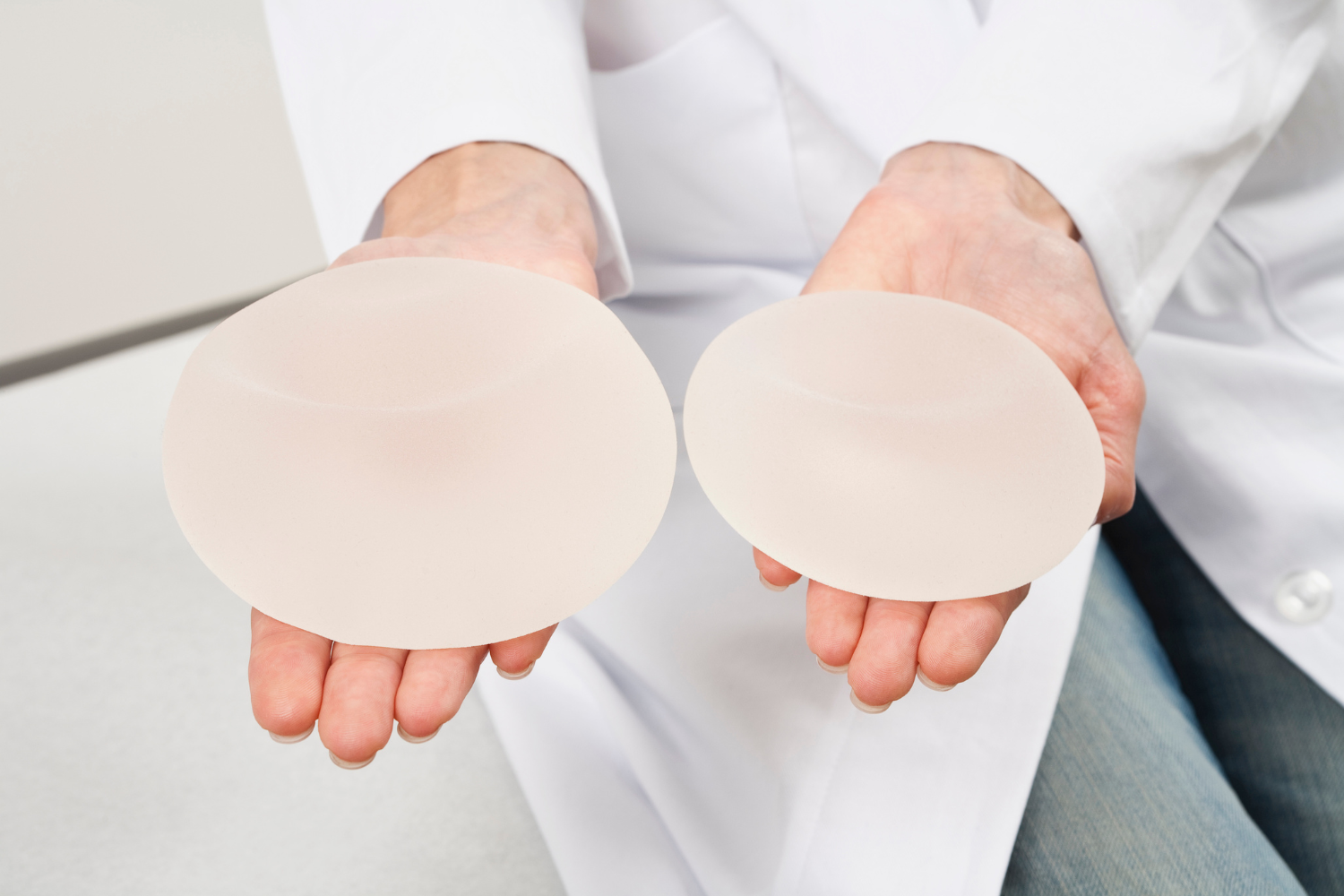
What Happens to Fat Cells After Body Contouring?
What happens to fat cells after liposuction, how the body processes fat, and how to maintain lasting results with a safe medical approach.
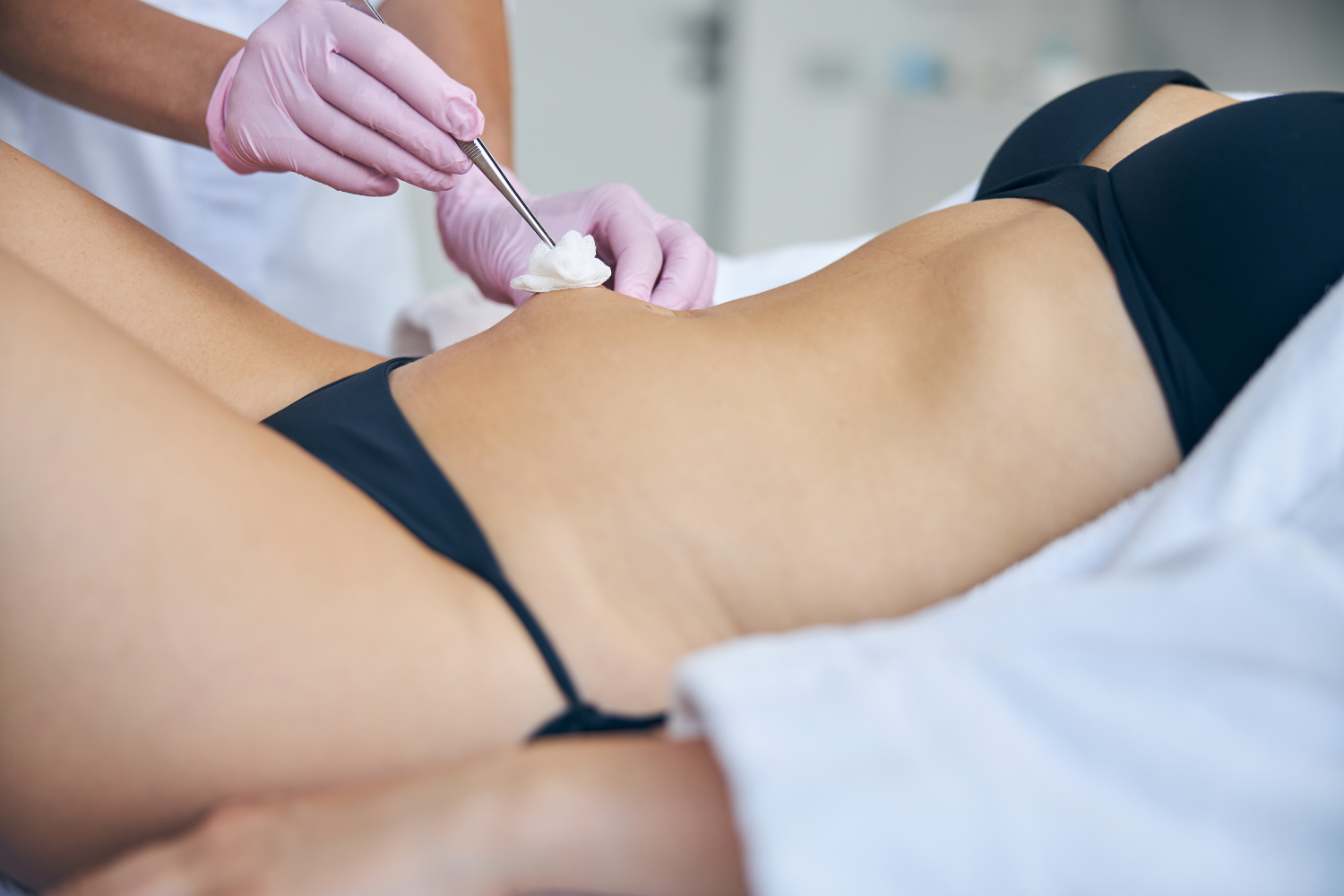
Body remodeling raises many questions, but one of the most frequently asked questions is what exactly happens to the fat once it is eliminated. Fat cells after liposuction they don't behave as many people imagine, and understanding this process is key to having realistic expectations and maintaining long-term results.
In the practice of Dr. Antonio García Rodríguez, plastic surgeon with a comprehensive medical approach and natural results, patient education is a fundamental part of the treatment. Knowing what happens at the cellular, metabolic and body levels after a body contouring procedure helps you make informed and safe decisions.
This article clearly explains how fat cells are eliminated, how the body processes them, what changes occur in body shape over time, and what factors influence the permanence of results.
The role of fat cells in the body
Fat cells, called adipocytes, have the primary function of storing energy in the form of lipids. They are also involved in hormonal and metabolic regulation, so they are not simple “fat deposits”. The number of adipocytes is largely established during adolescence and early adulthood, and under normal conditions it does not multiply easily.
When a person gains weight, what usually happens is that existing fat cells increase in size, not that many new ones are being created. This feature is key to understanding why body contouring procedures can provide lasting changes in specific areas.
How do body contouring procedures work on fat?
Body contouring procedures can be surgical or non-surgical, but they all have a common goal: to reduce localized fat volume and improve body shape. The difference is in how they interact with fat cells.
Physical removal of adipocytes during liposuction
In liposuction, the surgeon inserts a cannula that directly aspirates the fatty tissue. Fat cells after liposuction are physically eliminated from the body, which permanently reduces their number in the treated area. It is important to clarify that these adipocytes do not regenerate in the same site.
However, this does not mean that the area is “protected” against any future changes. The fat cells that remain can increase in size if there is significant weight gain, which can modify the contour achieved.
Modern techniques and their effect on fabric
There are different liposuction techniques that influence how fat is extracted and how the tissue responds.
- Tumescent liposuction uses a solution that facilitates aspiration and reduces bleeding.
- Ultrasound-assisted liposuction fragments fat before it is removed, which is useful in fibrous areas.
- Laser-assisted liposuction, in addition to liquefying fat, can stimulate some skin retraction.
The choice of technique does not change the basic principle: reducing the number of fat cells in a specific area, but it does influence the precision, recovery and quality of the final contour.
Non-surgical procedures and cell destruction
Some non-surgical treatments, such as cryolipolysis or injected lipolysis, do not suck up fat, but rather damage or destroy fat cells, causing their programmed cell death. Subsequently, the body is responsible for gradually eliminating these cellular debris.
Although the mechanism is different, the final result is similar: a decrease in the number of adipocytes in the treated area, with progressive changes in body shape.
What happens to the removed fat?
A common question is what happens to fat once it is extracted or destroyed. In surgical liposuction, aspirated fat is removed directly from the body. In nonsurgical procedures, the remnants of fat cells are released into the lymphatic system and then into the bloodstream.
The liver processes these lipids like any other dietary fat. In healthy people, this process is safe and does not burden organs when done properly and under medical supervision.
During the weeks following the procedure, the body undergoes a phase of inflammation and repair. This response is normal and is part of the process of adapting the tissue to the new contour.
Long-term body shape changes
One of the great benefits of body contouring is the durability of the results, but these have clear limits that must be understood.
Retention of results in treated areas
Because fat cells after liposuction do not reappear in the same amount, treated areas usually maintain a long-term volume reduction. This is especially evident when the patient maintains a stable weight and healthy habits.
The body, however, does not lose the ability to store fat. If there is an increase in weight, the remaining cells may expand, although the build-up is generally less marked than before the procedure.
Redistribution of fat with weight gain
When a person gains weight after a body contouring procedure, new fat tends to be stored in untreated areas. This can create the feeling that the body “changes shape” or that the result is lost, although in reality it is a redistribution.
Factors such as genetics, hormones, and lifestyle influence where that fat accumulates. Therefore, surgery is not a substitute for overall weight loss or protect against the effects of significant weight gain.
The importance of skin in the final result
The quality of the skin is decisive for the long-term result. Skin with good elasticity adapts better to the new volume, while sagging skin may show irregularities. Age, smoking and sun exposure influence this ability to shrink.
In some cases, the surgeon may recommend combining liposuction with procedures that tighten the skin to achieve a more harmonious outline.
Individual factors that influence evolution
Each body responds differently to the procedures of body contouring. Understanding these factors helps personalize treatment and maintain realistic results.
Genetics and metabolism
Genetic predisposition largely determines where fat accumulates and how the body responds to changes in weight. Some people tend to store fat in their abdomen, others in their hips or thighs, and that tendency can persist even after surgery.
Metabolism also plays a key role. A slower metabolism makes it easier to increase the size of the remaining fat cells, so weight control becomes even more important.
Age and hormonal changes
Over time, collagen and elastin production decreases, affecting skin quality and body shape. In addition, hormonal changes associated with pregnancy, menopause or medical treatments can modify fat distribution.
Talking openly about these factors during the medical evaluation allows for better planning the procedure and follow-up.
How to maintain body contouring results
Surgery is only part of the process. Maintaining results is highly dependent on the subsequent lifestyle.
A balanced diet, rich in protein, fiber and healthy fats, helps maintain a stable weight and promotes healing. Regular physical activity, combining cardiovascular and strength exercise, helps to preserve muscle tone and the achieved contour.
Postoperative care is also essential. The correct use of compression garments, medical follow-up and the early detection of complications such as seromas or fibrosis directly influence the quality of the final result.
The role of medical monitoring
Monitoring makes it possible to evaluate how the body adapts over time and to make adjustments when necessary. In the practice of Dr. Garcia Rodriguez, this close support is part of the value proposition, since it helps the patient to understand normal changes and to resolve doubts throughout the process.
In some cases, complementary treatments may be recommended, such as lymphatic drainage or procedures to improve skin quality, always with a personalized medical approach.
Frequently Asked Questions About Fat Cells After Liposuction
Do the eliminated fat cells grow back?
No. Fat cells after liposuction are permanently removed in the treated area. However, the remaining cells may increase in size if there is weight gain.
Does Liposuction Prevent You from Gaining Weight Again?
No. Liposuction is not a weight-loss method nor does it prevent future gain. Its objective is to reshape the body contour in specific areas.
Can fat return to the same treated area?
Usually not in the same proportion. If you gain weight, fat usually accumulates in untreated areas or, to a lesser extent, in the operated area.
Are the results the same for everyone?
No. Genetics, metabolism, skin quality and lifestyle influence how the long-term outcome evolves.
Understand the process to achieve lasting results
Understand what's going on with fat cells after liposuction allows us to have realistic expectations and to take an active role in maintaining results. Body contouring procedures offer lasting changes when done properly, but their long-term success depends on medical factors and lifestyle habits.
In the philosophy of Dr. Antonio Garcia Rodriguez, plastic surgery is an integral process that combines technique, aesthetic judgment and close support. Informing the patient, taking care of their safety and seeking natural and harmonious results are fundamental pillars for achieving sustainable and satisfactory body remodeling.