Skin Tightening vs. Plastic Surgery: How Surgeons Decide
Learn how surgeons evaluate sagging to choose between skin tightening procedures or surgery to achieve safe and effective results.

Skin sagging is one of the most common queries in aesthetic medicine and plastic surgery. Many patients arrive asking if it's possible firm the skin without surgery or if, on the contrary, they need a surgical procedure to achieve visible and lasting results. This decision is not taken lightly nor is it based solely on the patient's age or desire, but rather on a detailed medical evaluation.
Dr. Antonio Garcia Rodriguez, a plastic surgeon with extensive experience in body contouring and rejuvenation, explains that choosing between skin tightening procedures and surgery depends on anatomical, biological factors and real expectations.
Understanding how surgeons analyze flaccidity helps patients make informed and safe decisions, avoiding frustration and inadequate treatment.
This article explains, step by step, how specialists evaluate the skin, what criteria they use to recommend non-surgical treatments or surgery, and in which cases the combination of the two provides the best results.
What do surgeons evaluate before recommending treatment?
Before talking about technology or surgery, the surgeon analyzes the patient's overall condition. It's not just about “loose skin”, but about understanding which structures are affected and to what extent.
Actual degree of skin sagging
The first criterion is degree of skin sagging. Mild sagging usually responds well to non-invasive treatments that stimulate collagen. When the skin is moderately loose, some devices may improve tightness, but results are limited. In cases of severe sagging, where there is clear excess skin, surgery is usually the only effective option.
The surgeon evaluates whether the skin is still able to retract. Thin, very tight skin or skin with advanced sun damage responds worse to firming treatments without surgery.
Skin quality and elasticity
Not all skin ages the same. La skin quality depends on collagen, elastin, hydration and accumulated damage from factors such as the sun or tobacco. Skin with good elasticity can benefit a lot from skin tightening procedures such as radio frequency or ultrasound.
When elasticity is severely compromised, heat or collagen stimulation are not enough to retract excess skin. In these cases, the surgeon clearly explains that the result will not be comparable to that of surgery.
Amount of excess skin
One of the most important points is to differentiate between loose and excess skin. Non-surgical treatments can tighten the skin, but They do not remove excess skin. If the patient can “pinch” large folds of skin, especially on the abdomen, arms or thighs, surgery is often the most honest recommendation.
Difference between skin tightening and surgery
Many patients confuse the two approaches, thinking that they offer similar results. Surgeons are clear that they are different tools for different problems.
What skin tightening procedures achieve
Los skin tightening procedures seek to stimulate collagen production and improve skin tension. They work best in mild to moderate sagging and in patients who still retain elasticity. The results are progressive, subtle and require maintenance.
These treatments don't dramatically change the body contouring, but they do improve the texture, firmness and overall appearance of the skin. The surgeon recommends them when the goal is to improve, not to transform.
What surgery solves
The surgery removes excess skin, repositions deep tissues and redefines the contour. Procedures such as a facelift, tummy tuck or body lift offer more noticeable and lasting results. The cost is greater, and so is the recovery time, but so is the change.
Dr. Antonio García Rodriguez stresses that surgery does not compete with non-invasive treatments, but rather complements them. Each one has its place when indicated correctly.
Areas of the body and their influence on the decision
The location of the flaccidity directly influences the medical recommendation. Not all areas respond equally to nonsurgical treatments.
Face and neck
On the face, surgeons evaluate the sagging of the cheeks, jawline, and neck. Mild flaccidity can be treated with radiofrequency, ultrasound, or biostimulators. When the neck has marked bands or hanging skin, surgery offers more predictable results.
In young patients or patients with initial aging, skin tightening procedures are usually sufficient to delay the need for surgery.
Abdomen
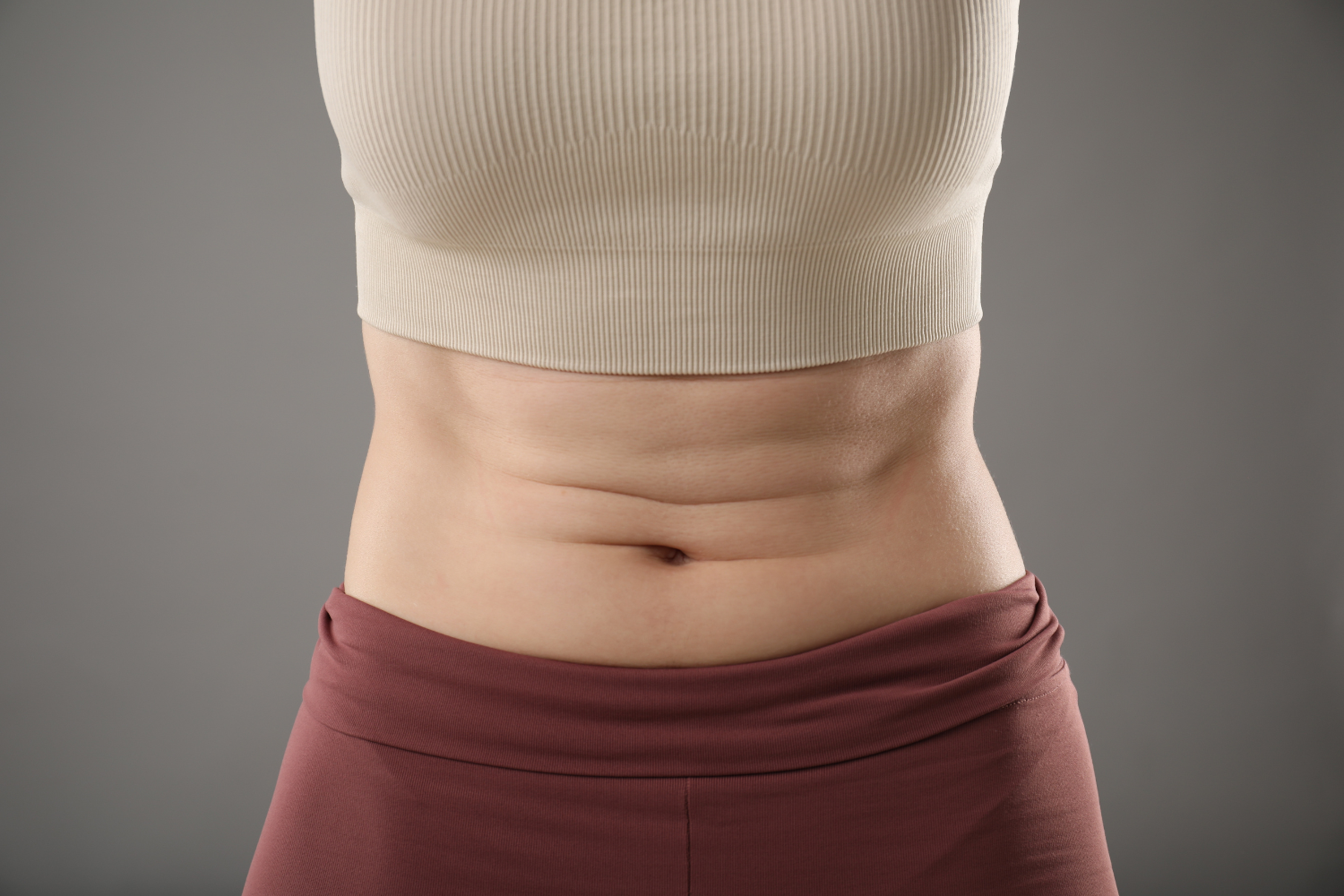
The abdomen is one of the areas where the difference between firming and surgery is most noticeable. After pregnancy or heavy weight loss, there is usually excess skin and muscle separation. No non-surgical treatment completely corrects these problems.
If the sagging is mild and there is no excess skin, body radiofrequency or combined technologies can improve tone. In more advanced cases, Abdominoplasty is the right option.
Arms, thighs and buttocks
In arms and thighs, the decision depends on how far the skin hangs. Non-invasive treatments may improve firmness in the initial flaccidity, but when there is a “wing effect” or obvious folds, surgery offers better results.
In the buttocks, surgeons combine firming techniques with volume enhancement and muscle support to optimize contour.
Patient factors that influence the recommendation
In addition to the skin, the surgeon evaluates the patient as a whole.
Biological rather than chronological age
Age alone does not define treatment. There are patients in their 60s with good skin quality and others in their 40s with advanced sagging. What matters is the biological age of the skin, its elasticity and ability to regenerate.
Lifestyle and habits
Smoking, poor diet and lack of exercise directly affect results. A surgeon may first recommend habit changes or less invasive treatments before considering surgery in patients at high risk of poor healing.
Patient Expectations
One of the key steps is to align expectations. If the patient expects a drastic change, the skin tightening procedures they may not meet their objectives. The surgeon must honestly explain what can and cannot be achieved with each option.
When are combination treatments recommended?
In many cases, the best decision is not to choose between firming or surgery, but to combine them.
Before surgery
Some surgeons use firming treatments to improve skin quality before surgery, optimizing healing and the final result.
After surgery
After surgery, non-invasive treatments help maintain firmness, improve texture and prolong results. This strategy is common on the face, neck and body contour.
Safety and Professional Assessment
Dr. Antonio García Rodriguez insists that the key lies in a personalized medical assessment. Choosing a treatment just because of fashion or price can lead to disappointing results or unnecessary risks. A certified surgeon analyzes the anatomy, explains real options and proposes a plan according to the patient's condition.
Common Mistakes When Choosing Firming Treatments
Many patients believe that non-surgical treatments are a substitute for surgery or that a single session will resolve years of sagging. Another common mistake is treating excess skin with technologies designed only to tighten. Career guidance avoids unnecessary expenses and frustration.
Frequently Asked Questions About Skin Firming Procedures
How does a surgeon know if non-surgical treatment is sufficient?
It evaluates elasticity, the amount of excess skin and the expected response to the collagen stimulus. If the skin can retract, non-surgical treatments are usually sufficient.
Do skin tightening procedures replace surgery?
No. They improve firmness and texture, but do not remove excess skin. In severe sagging, surgery remains the most effective option.
How long do the results of firming without surgery last?
They depend on the treatment, age and habits of the patient. They generally require periodic maintenance to preserve results.
Can both approaches be combined in the same patient?
Yes. In fact, the combination of surgery and skin tightening procedures often offers more complete and lasting results.
A medical decision, not an aesthetic one
Choose between skin tightening procedures or surgery is not a matter of preference, but of medical indication. An honest evaluation makes it possible to recommend appropriate treatment based on sagging, skin quality and patient expectations.
Dr. Antonio Garcia Rodriguez emphasizes that the best result is not always the most invasive, but the one that adapts to the real condition of each person. With clear information, professional assessment and realistic expectations, it is possible to achieve firmer, safer and more harmonious skin with the body.