Tummy Tuck Scar: Location, Care, and Long-Term Healing
Learn what the tummy tuck scar looks like, where it is located, how it evolves and what care improves its appearance in the long term. Clear and professional medical information.

Deciding to have a tummy tuck is not just a physical change, it's an emotional transformation. Many people come to this surgery after pregnancy, heavy weight loss, or years of feeling uncomfortable with their abdomen. And along with the enthusiasm for a firmer womb, an inevitable question appears: What will the tummy tuck scar look like?
It's normal to worry about what brand will remain. The scar represents the path taken to a better version of oneself, but it also raises doubts about its size, location and evolution. Understanding how the skin heals and what can be done to optimize the result provides peace of mind and security.
In the consultation With the Dr. Antonio Garcia Rodriguez, many patients discover that the key is not to avoid scarring, because every surgery leaves one, but to plan strategically and accompany their maturation process with adequate care. Surgical experience and close follow-up make a real difference in the final result.
In this article, you will find a clear and detailed explanation about location of the abdominoplasty scar, the healing phases, their long-term evolution and the best strategies for their management. The goal is for you to make an informed decision, with realistic expectations and confidence.
Where is the tummy tuck scar located?
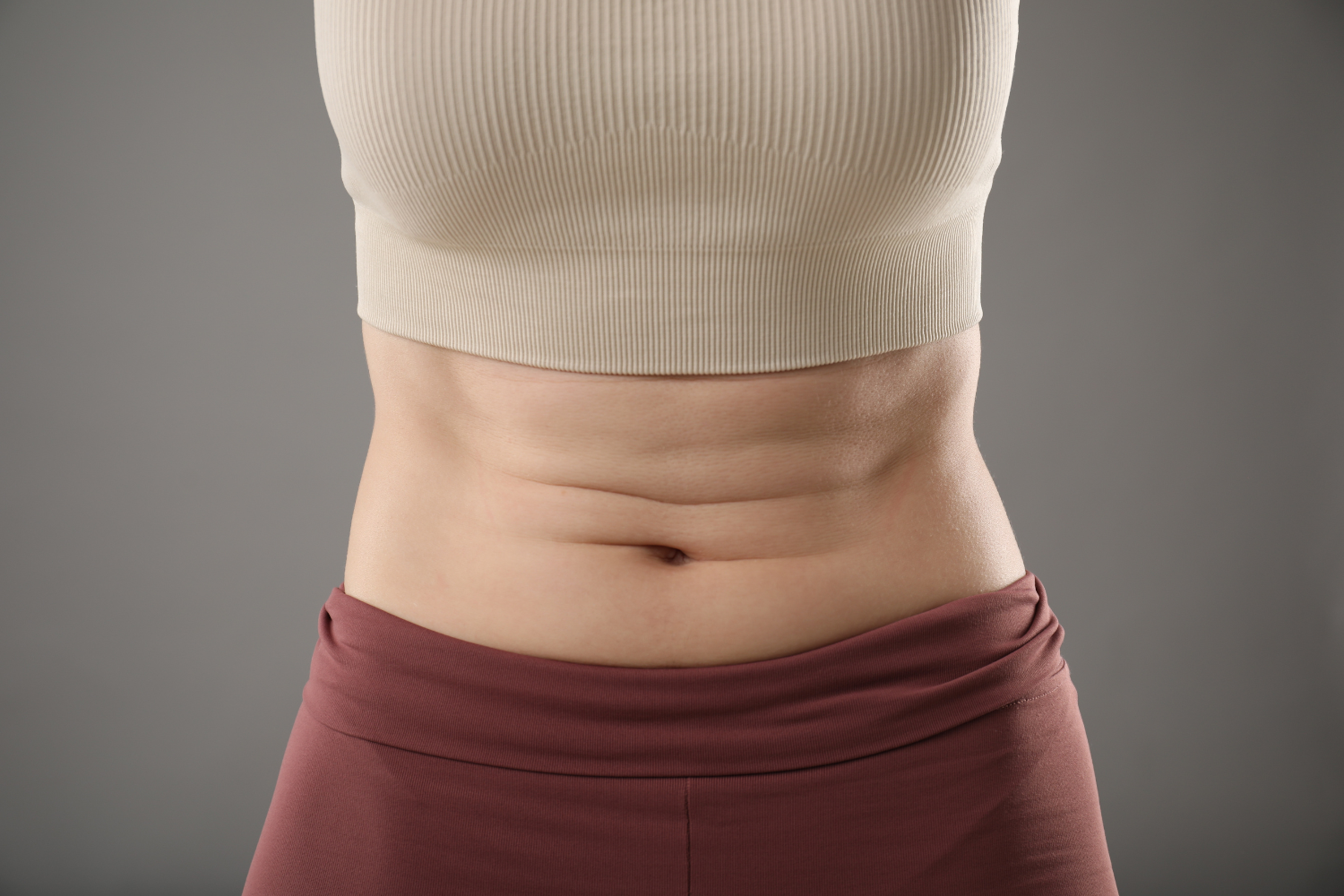
La Abdominoplasty scar It is usually located in the lower abdomen, just above the pubic hair. It is designed so that it can be hidden with underwear or a swimsuit. Its position is not accidental: it meets anatomical and aesthetic criteria that seek bodily harmony.
The length and shape depend on the type of procedure performed and the amount of excess skin that needs to be removed. Each patient has different characteristics, so surgical planning is individualized.
Full tummy tuck scar
In a full tummy tuck, the incision usually extends from hip to hip. This technique allows significant excess skin to be removed and muscle diastasis repaired if there is a separation of the rectus abdominal muscles.
In most cases, a small incision is also made around the navel to reposition it. This creates an additional periumbilical scar, usually discrete and well-integrated over time.
Scar in mini tummy tuck
The mini Abdominoplasty involves a shorter incision, located below the navel. It is suitable for patients with mild sagging and excess skin limited to the lower abdomen.
This procedure does not normally reposition the navel, so there is no circular scar in that area. The mark usually looks like that of a C-section, although slightly more extensive.
Extended or post-weight loss tummy tuck
In patients who have experienced significant weight loss, an extended tummy tuck may be necessary. In these cases, the scar may extend to the flanks to remove more skin and improve the lateral contour of the abdomen.
Although the scar is longer, the aesthetic benefit often more than compensates for its presence, especially when a firmer and more proportionate figure is achieved.
Factors that influence the appearance of the scar
Not all scars evolve the same way. The final appearance of the Abdominoplasty scar depends on multiple surgical and biological factors.
The suture technique and the correct tension distribution are decisive. A closed incision with minimal tension reduces the risk of widening. The surgeon's experience is key to planning the exact location and minimizing complications.
The patient's genetics also play a role. Some people are more likely to develop hypertrophic or keloid scars. The skin phototype may predispose to hyperpigmentation if there is early sun exposure.
Factors such as smoking, diabetes or poor nutrition affect tissue oxygenation and delay healing. That's why pre-operative preparation and medical follow-up are as important as the surgery itself.
Abdominoplasty scar healing phases
Healing is a dynamic biological process that evolves over months. Understanding your phases helps you have realistic expectations.
Inflammatory phase
It occurs during the first week. The area may be red, slightly inflamed and sensitive. It is a normal response of the body to protect the wound and prevent infections.
At this stage, it is essential to keep the wound clean, follow medical instructions and avoid excessive tension in the area.
Proliferative phase
It takes place between the second week and the sixth week. The body produces new collagen to close and strengthen the wound. The scar usually looks pink or reddish and may feel firm to the touch.
It is often during this period that the scar appears more visible before it begins to improve. The use of silicone sheets or gels can be initiated as medically indicated.
Maturation or remodeling phase
It can last between 12 and 18 months. The collagen is reorganized, the scar is flattened and the color gradually lightens until it becomes more similar to the natural tone of the skin.
Patience is essential. Many people judge their scar too early, when it has not yet completed its maturation process.
Evolution of the scar month by month
During the first month, the wound is closed but visible and reddish. There may be residual swelling and a feeling of tightness.
Between months two and three, the redness begins to decrease. The scar may feel firmer due to increased collagen.
From the fourth to the sixth month, the texture improves and the color softens. In this period, massages and strict sun protection are especially important.
Between the seventh and the twelfth month, the scar continues to lighten and thin. As of the year, most of the visible changes have already occurred, although internal remodeling can continue for up to 18 months.
General considerations in the tummy tuck scar
Although most patients progress favorably, complications can occur.
Hypertrophic scars are raised but remain within the wound boundary. Keloids, on the other hand, grow beyond their original borders.
Dehiscence, or partial opening of the wound, can occur if there is excessive tension or infection. Small irregularities may also appear at the ends of the scar, known as “dog ears”.
Close monitoring makes it possible to detect and treat these situations early, optimizing the final result.
Management and care to improve the scar
Postoperative care is decisive in the final quality of the Abdominoplasty scar.
During the first few weeks, it is essential to avoid intense physical exertion. The compression garment helps reduce swelling and reduce tension on the suture.
Strict sun protection for at least six months prevents permanent hyperpigmentation. Applying sunscreen daily to the mature scar is a simple but powerful measure.
Silicone sheets and gels have proven effective in reducing thickness and redness. They should be used consistently for several weeks or months as directed by a doctor.
In selected cases, corticosteroid injections, laser treatments or radiofrequency may be indicated to improve texture and color.
The importance of choosing a certified plastic surgeon
A well-planned scar begins before the first incision. The comprehensive evaluation of the patient, the choice of the appropriate technique and a meticulous surgical closure directly influence the outcome.
El Dr. Antonio Garcia Rodriguez prioritizes strategically located incisions, suture techniques that reduce tension and provide close support at every stage of the process. This comprehensive approach not only improves the scar, but also the patient experience.
Choosing a specialist with training in plastic surgery and refined aesthetic judgment is a key decision for obtaining natural and harmonious results.
Tummy Tuck Scar FAQs
Does the tummy tuck scar completely disappear?
It doesn't go away completely, but it can become thin, flat, and skin-like in color with the passage of time and proper care.
How long does it take for the final result of the scar to be seen?
Full aesthetic maturation usually takes between 12 and 18 months. The most visible changes occur during the first year.
What to do if the scar turns red or raised?
The surgeon should be consulted. There are treatments such as silicone sheets, corticosteroid injections or lasers that can improve your appearance.
Does scarring limit long-term physical activity?
No. After full recovery, the scar should not interfere with normal physical activity.
An informed decision is a safe decision
La Abdominoplasty scar forms a natural part of the body's transformation process. Although it will always be present, its strategic location and its progressive evolution allow it to be discreet and harmonious over time.
The most important thing is to understand that a well-maintained scar tells a story of change, effort and personal improvement. Under the guidance of Dr. Antonio Garcia Rodriguez, each patient receives a personalized surgical plan and careful follow-up that prioritizes safety, naturalness and balanced results.
If you are considering a tummy tuck and want to answer your questions about scarring, recovery or your ideal candidate, schedule your consultation and receive a personalized evaluation. Making the right decision starts with clear information and expert support.