Skin Firming Treatments: Surgical vs. Non-Surgical Options
Skin Tightening Treatments: Surgical vs. Non-Surgical
Feeling that your skin loses firmness can affect much more than just your appearance. It's not just about wrinkles or sagging, but about how you look in the mirror and how you feel about yourself. Over time, changes in collagen and elastin transform the facial and body contour, raising questions about what is the best solution.
Today there are multiple treatments to firm the skin, from non-invasive procedures to surgeries that offer more definitive results. However, not all cases require an operating room, nor do all medical devices achieve the desired effect when flaccidity is advanced.
The real challenge is not to choose the most popular treatment, but the one that is most suitable for your skin, your age and your expectations. Understanding the differences between surgical and non-surgical alternatives will allow you to make informed and realistic decisions.
El Dr. Antonio Garcia Rodriguez, a specialist in Plastic, Aesthetic and Reconstructive Surgery, accompanies each patient in this process with a comprehensive medical approach, prioritizing natural results, safety and clear expectations.
Why does skin lose firmness over time?
Sagging occurs due to the progressive decline of collagen and elastin, proteins responsible for supporting the skin structure. After the age of 30, collagen production gradually decreases and the skin loses elasticity.
Factors such as sun exposure, hormonal changes, significant weight loss and genetic predisposition accelerate this process. In addition, oxidative stress caused by UV radiation, pollution and smoking degrades dermal fibers, causing tissue loss.
When sagging is mild, it can be treated by stimulating collagen. When it is moderate or severe, it may require a surgical solution that repositions deep tissues.
Non-surgical treatments to firm the skin
Non-invasive or minimally invasive procedures stimulate natural collagen production without the need for incisions or major surgery. They act by generating a controlled stimulus in different layers of the skin to activate fibroblasts, responsible for producing collagen and elastin. They are ideal for patients with mild to moderate flaccidity who are looking for progressive, natural results with rapid recovery.
These skin tightening treatments are not a substitute for surgery when there is significant excess tissue, but they do represent an excellent alternative in the early stages of aging or as maintenance after a surgical procedure. The key is to select the right technology according to the area and the degree of laxity.
Radiofrequency
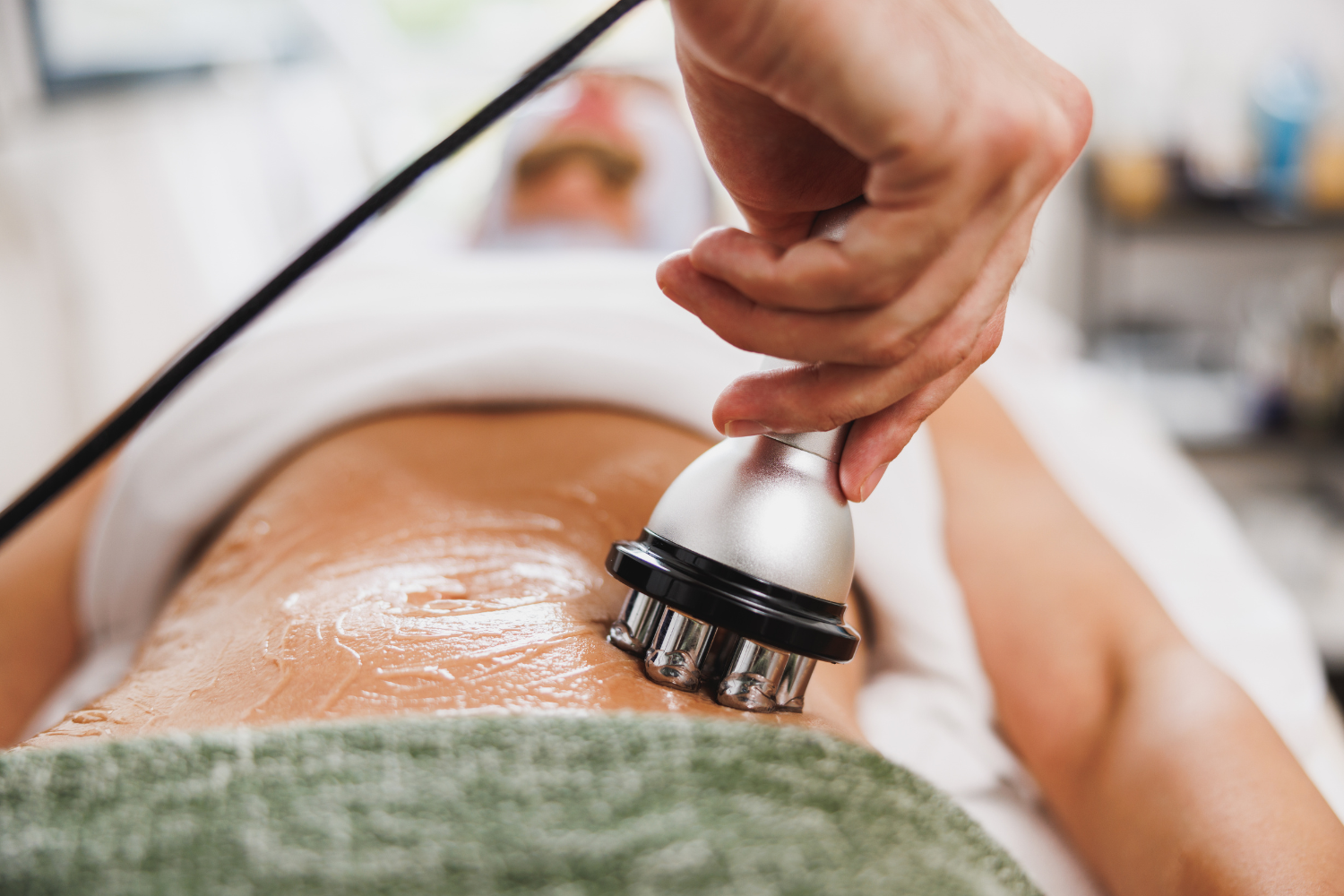
Medical radiofrequency generates controlled heat in the deep dermis, activating fibroblasts and promoting new collagen formation. It is one of the treatments to firm the skin most in demand on the face, neck, arms and abdomen.
There are different modalities, such as unipolar and multipolar, which allow the intensity and depth to be adapted according to the treated area. The procedure is well tolerated and is usually perceived as a progressive feeling of heat. It does not require disability and the patient can resume activities the same day.
Results appear gradually over weeks and continue to improve for several months as new collagen forms. Generally, 3 to 6 initial sessions are recommended, with annual maintenance to prolong the tightening effect.
Focused Ultrasound (HIFU)
Microfocused ultrasound acts in deeper layers, including the superficial musculo-aponeurotic system (SMAS), which is the same structure used in a surgical lift. It produces a more intense tightening effect than radiofrequency and can generate a discreet lifting effect without surgery.
Its main advantage is precision: energy is released at specific points under the skin without damaging the surface. This allows deep tissue to be tightened in areas such as the double chin, neck and lower third of the face.
The result is not immediate; the tension develops progressively over the next 2 to 3 months. In many cases, a single annual session may be sufficient, depending on the individual response.
Microneedling with radio frequency
Radiofrequency microneedling combines microneedles that penetrate the skin with controlled thermal energy emission. This dual action stimulates collagen, improves texture, enlarged pores and fine wrinkles, while providing firmness.
It's especially useful in patients who have mild sagging accompanied by alterations in skin quality, such as acne scars or surface irregularities. Recovery may involve mild redness for a few days, but the risk is low when done in an appropriate medical setting.
Results are usually seen after 2 or 3 sessions, spaced several weeks apart.
Fractional laser
The fractioned laser creates controlled thermal microlesions that activate dermal regeneration. In addition to slightly tightening the skin, it improves blemishes, fine lines and uneven texture.
Depending on the type of laser, recovery can range from mild redness to temporary peeling. It's an excellent choice when looking for combine rejuvenation superficial with collagen stimulation.
Although it is not a substitute for a surgical lift, it can provide a visible improvement in mild sagging and in the general appearance of the skin.
Injectable biostimulators
Substances such as polylactic acid or calcium hydroxyapatite stimulate internal collagen progressively. Unlike traditional fillers that provide immediate volume, they work by promoting the natural production of their own tissue.
The result is gradual and can be seen over 2 to 4 months. Not only do they tighten, but they restore lost volume in a harmonious way, improving contours without modifying features.
They are especially useful on the face, neck and arms, and are often combined with other technologies to enhance results.
Benefits of Non-Surgical Treatments
The main advantage is the absence of surgery. They do not require general anaesthesia or long recovery periods. They allow us to resume daily activities almost immediately and present a lower risk compared to surgical procedures.
In addition, it offers natural and progressive results, reducing drastic changes and allowing gradual adjustments according to the patient's evolution. They are ideal for those who want to improve firmness without undergoing major intervention.
However, it is important to understand that your results depend on the quality of the skin and the degree of sagging. In cases of significant laxity or obvious excess tissue, they may not be sufficient on their own and require a surgical approach.
Surgical treatments to firm the skin
When the skin is excessively significant and structural detachment, surgery offers more noticeable and lasting results. Unlike medical devices, these procedures reposition deep tissues and eliminate excess skin, achieving real structural change.
The appropriate indication comes after a complete medical evaluation, considering age, skin quality and patient expectations.
Facelifting
The facelift tightens muscles and removes excess skin, restoring the contour of the face and neck. It's the most effective option for advanced sagging.
When done with a refined technique and a conservative aesthetic approach, the result is natural, without an artificial appearance, while respecting facial harmony.
Blepharoplasty
Indicated for excess skin on the upper eyelids or lower bags. It rejuvenates the look and can complement other facial treatments, significantly improving expression.
Cervical lift
It corrects sagging neck and jowls when non-invasive methods are no longer sufficient. It redefines the cervicomentonian angle and regains firmness in an area where the skin is usually thinner.
Abdominoplasty and body lift
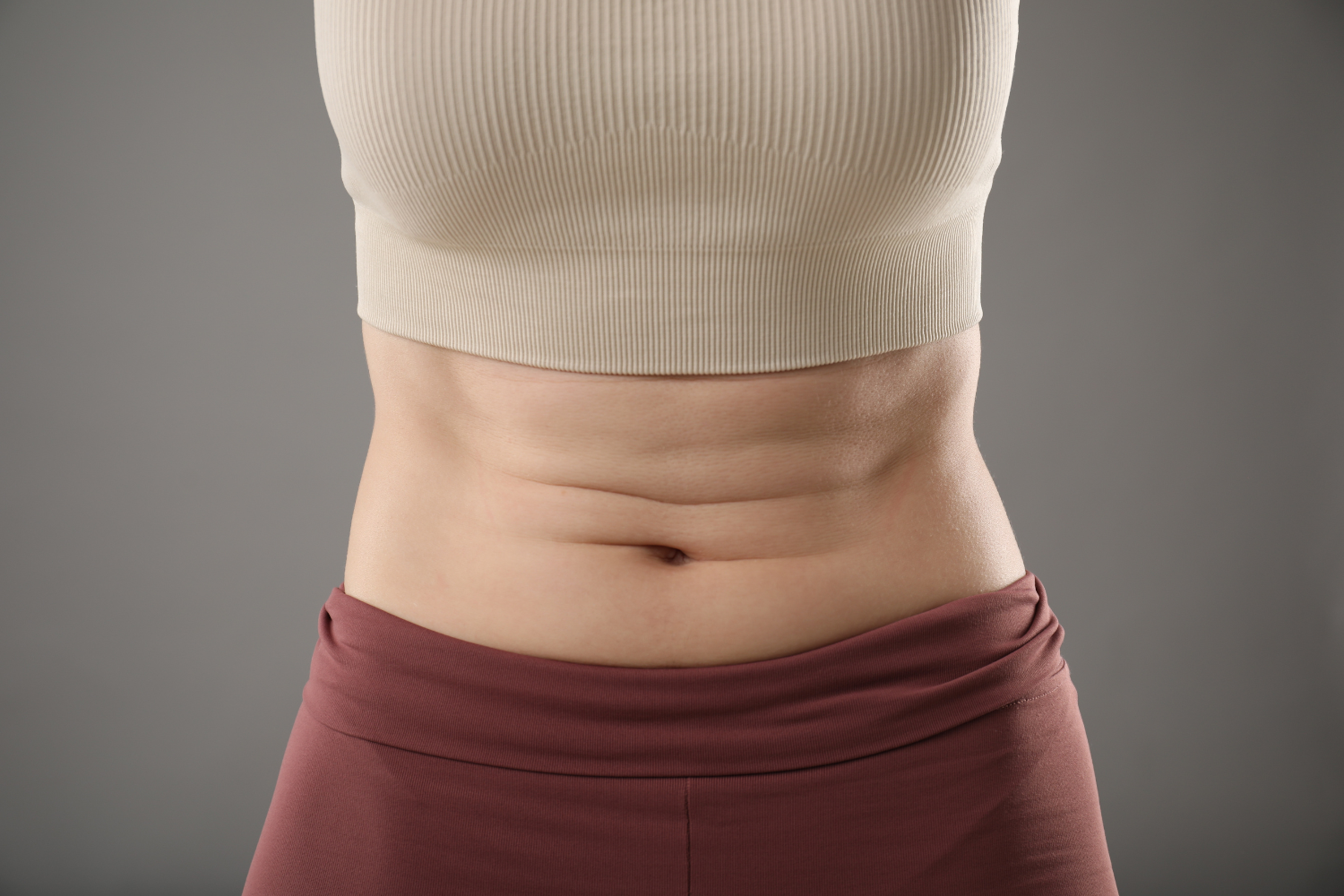
In patients with massive weight loss or after pregnancy, these procedures remove excess skin and redefine body contour. They are structural solutions when the flaccidity is severe and does not respond to conservative treatments.
Surgery, well indicated, offers long-lasting and transformative results, always prioritizing safety and naturalness.
Benefits of Surgical Options
They offer immediate and lasting results. They reposition deep tissues, something that non-surgical treatments cannot achieve when laxity is advanced.
They require full medical evaluation, recovery time and a commitment to the postoperative period.
How to choose between surgical and non-surgical treatments?
The decision depends on the degree of sagging, age, skin quality and expectations. If the skin still has good elasticity, non-invasive treatments may be sufficient.
When there is obvious excess skin or muscle sagging, The surgery is usually the most effective alternative. In many cases, both options are combined to optimize results.
A personalized approach is key. There is no single treatment that is ideal for everyone.
Natural results and realistic expectations
A common mistake is to expect a non-invasive procedure to achieve the same effect as surgery. Each technique has specific indications.
The goal must be to improve, not radically transform. Natural beauty is built with respect for individual proportions and characteristics.
Can both treatments be combined?
Yes. Many patients first perform surgery to correct advanced sagging and then maintain results with radiofrequency or biostimulators.
It is also common to start with non-invasive treatments and, years later, to opt for surgery if laxity progresses.
The strategic combination usually offers the most harmonious and sustainable results.
Key Factors Before Deciding
It is important to evaluate medical history, skin quality, lifestyle and readiness for recovery.
A specialist consultation can determine if you are an ideal candidate for a specific procedure. Safety and medical ethics must be a top priority.
FAQs
How long do the results of non-surgical treatments last?
Usually between 6 and 18 months, depending on the procedure and individual response. They require regular maintenance.
Does the surgery leave visible scars?
The incisions are strategically planned so that they are hidden in natural folds or hairlines. With proper technique, they are discreet.
At what age is a face-lift recommended?
It depends not only on age, but on the degree of sagging. Some patients need it at 45, others after 60.
Are skin tightening treatments painful?
Non-surgical treatments cause mild and temporary discomfort. The surgery is performed with anesthesia and specialized medical supervision.
Regain firmness with security and confidence
Make the decision to perform treatments to firm the skin is an important step. It's not just about improving appearance, but about regaining confidence and harmony.
Dr. Antonio Garcia Rodriguez offers a personalized assessment, clearly explaining each option, its benefits and its limits. His approach combines experience, refined technique and a natural aesthetic vision.
If you are considering a treatment to firm your skin, schedule your consultation and find out which alternative is most suitable for you. The best decision starts with clear information and professional support.