Breast Implant Profiles: How to Choose the Right Shape
Discover the differences between breast implant profiles (low, medium, high and extra high) and how Dr. Antonio García Rodríguez chooses the most suitable one to achieve natural and harmonious results.

The profile of a breast implant refers to the degree of projection that the implant has from the base to its most prominent point. In other words, it indicates how far the chest protrudes forward once placed.
Although volume (in cc) is an important fact, the profile determines how that volume is distributed and, therefore, the final appearance of the bust. Two implants with the same volume can offer very different results depending on their profile.
Main Types of Breast Implant Profile
Low profile
It has a wider base and minimal projection. This type of implant generates a very natural and discreet result, ideal for women with a wider chest or who are looking for a subtle and proportionate appearance.
Moderate or medium profile
It is a balanced option between naturalness and projection. It offers a harmonious contour and adapts well to most anatomies. This is usually the most used profile in breast augmentations with natural but definite results.
High profile
It has a narrower base and a more pronounced projection. It allows achieving a sharper neckline and a more rounded shape of the chest, recommended for patients with a narrow chest or poor breast coverage.
Extra high profile
This type of implant provides maximum projection with a very small base. It is indicated in specific cases where it is sought an intense projection or a more aesthetic shape is sought in patients with a small thorax.
How to choose the right profile
The selection of the implant profile does not depend only on personal taste, but on a detailed anatomical analysis performed by the plastic surgeon. Among the most relevant factors are:
- Chest width and breast base
- Height and body proportions
- Amount of existing breast tissue
- Degree of skin sagging or elasticity
- Aesthetic expectations of the patient
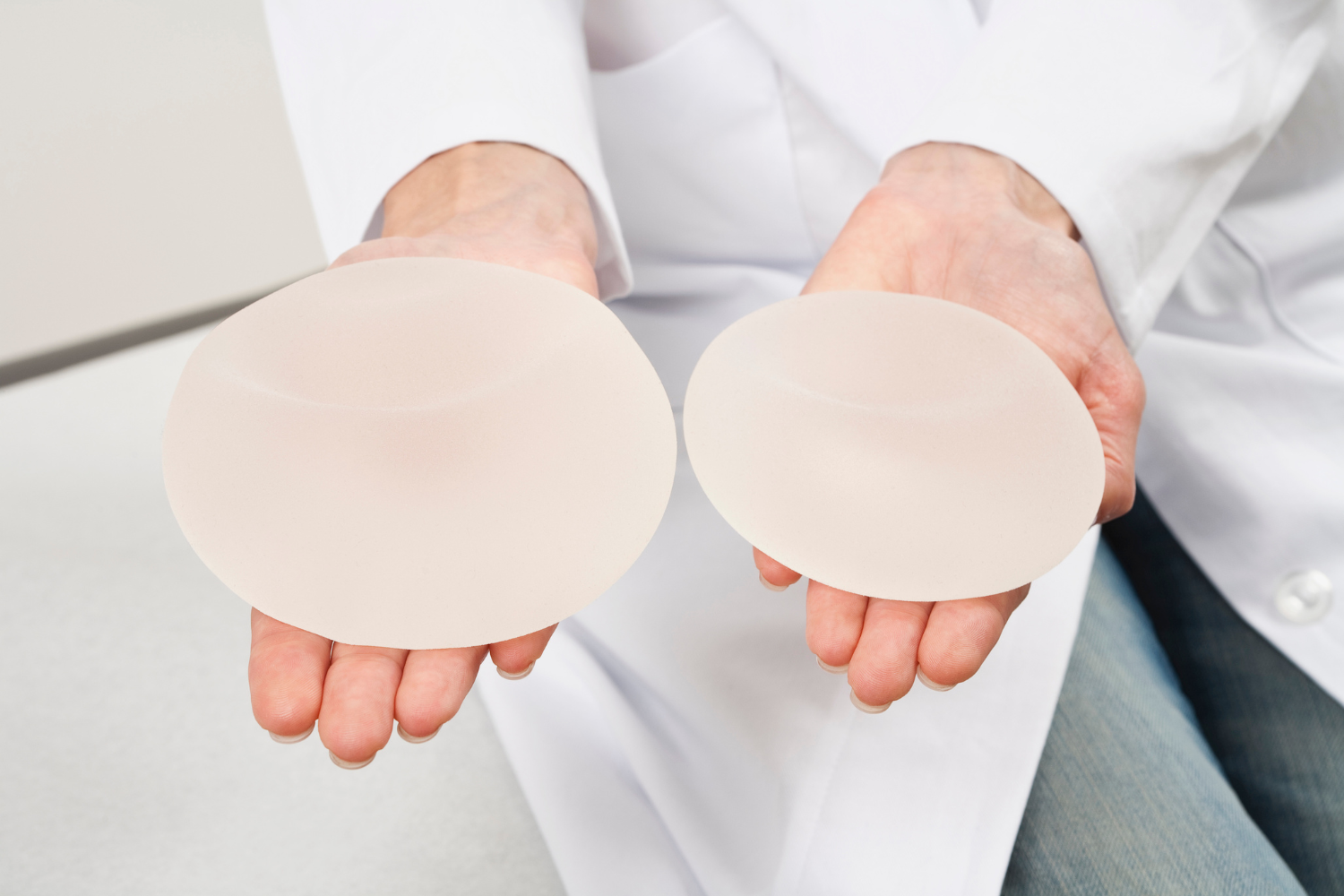
During the consultation, Dr. Garcia Rodriguez evaluates these characteristics and uses three-dimensional simulation tests or tests with sample implants to visualize how each profile would modify the body contour.
The objective is to achieve a harmonious, safe, and personalized result, avoiding overprojection or excess volume that could alter the naturalness of the result.
You may also be interested in:” What are the best breast implants for achieving a natural appearance?”
Clinical Outcomes and Considerations
Medium or high profile implants are the most commonly used, as they offer a balance between projection and naturalness. However, each patient requires an individualized evaluation.
In addition, the chosen profile must be considered together with other surgical factors such as access route (inframammary, periareolar, or axillary) and the placement plane (submuscular or subglandular), since they all influence the final shape of the breast.
An appropriate profile selection not only improves aesthetics, but also the procedural safety and long-term satisfaction.
A harmonious result starts with a good choice.
Understanding the differences between breast implant profile types is essential for making informed decisions. Each option has specific advantages that should be discussed with the plastic surgeon.
Dr. Antonio Garcia Rodriguez, a specialist in plastic, aesthetic, and reconstructive surgery, performs an individualized study of each patient to determine the volume, shape, and profile of the implant that best suits their anatomy and objectives, guaranteeing natural and proportionate results.
Schedule your personalized assessment and find out what type of implant is best for you. Complete the contact form and take the next step towards the result you want.