Do you have diastasis recti? Common symptoms you should know about
Learn about the symptoms of abdominal separation, how it is diagnosed, and the treatment options available, ranging from physical therapy to abdominoplasty.
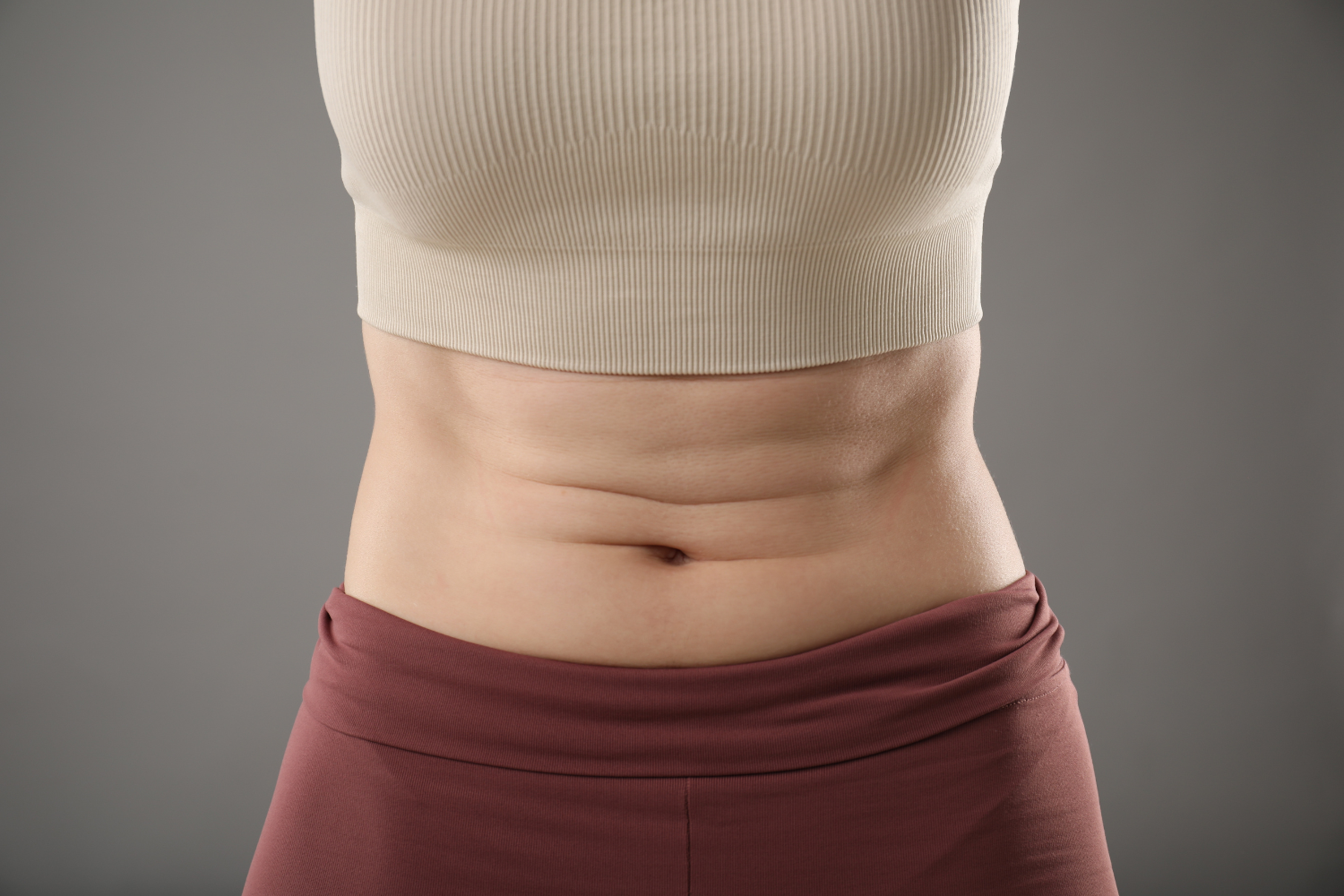
Abdominal separation can occur after pregnancy, significant weight changes, or situations that place prolonged tension on the abdominal wall. Although it is relatively common, many people do not recognize the signs and may think that certain changes in the abdomen are simply part of the recovery process. Knowing the symptoms of abdominal separation can help you better understand what is happening in your body.
An abdomen that continues to protrude even after losing weight, a feeling of weakness in the core, or a bulge that appears when making certain movements can be signs that deserve attention. Not everyone experiences the same symptoms, and their intensity can vary considerably.
Identifying these signs is the first step toward seeking a proper evaluation. Dr. García Rodríguez can assess the condition of your abdominal wall, determine if there is a separation of the rectus abdominis muscles, and guide you on the options available based on your needs and goals.
If you have noticed persistent changes in your abdomen and are unsure if they correspond to abdominal separation, you don't have to wonder. A professional evaluation can help you understand the cause and learn which options might be right for you.
What is abdominal separation?
Abdominal separation, medically known as diastasis recti, occurs when the tissues that connect the rectus abdominis muscles stretch and separate more than usual. The rectus muscles are located at the front of the abdomen and contribute to core stability, posture, and various daily movements.
During pregnancy, the growth of the abdomen can place considerable pressure on the abdominal wall. Hormonal changes can also contribute to making the tissues more flexible. However, diastasis does not occur exclusively after pregnancy. It can also be related to significant weight changes, certain physical conditions, repetitive strain, or elevated abdominal pressure.
It is important to distinguish abdominal separation from a hernia. Although they can coexist and some symptoms may seem similar, they are different conditions. For this reason, a medical assessment is important when there is a bulge, pain, or other persistent changes in the abdomen.
What are the most common symptoms of abdominal separation?
The symptoms of abdominal separation can be visible, physical, or functional. Some people have an obvious separation in the center of the abdomen, while others may primarily experience a feeling of weakness or difficulty properly engaging their abdominal muscles.
Bulging in the center of the abdomen
One of the most recognizable signs is a bulge or ridge that appears along the midline of the abdomen when a person sits up, coughs, strains, or performs certain exercises. This appearance may be more evident when contracting the abdominal muscles.
A bulge does not automatically mean you have diastasis. It can be related to various conditions, so observing it is a reason to request an evaluation, especially if it appears consistently.
Feeling of abdominal weakness
Another common symptom is feeling that your abdomen lacks the same strength or stability as before. Some people describe a lack of support in their core, particularly after pregnancy or significant weight changes.
Abdominal muscles play a role in stabilizing the torso. Therefore, an alteration in the abdominal wall can affect how a person performs certain daily movements.
Prominent abdomen
In some people, the abdomen may remain prominent even after losing weight. This can be frustrating, especially when you have followed a balanced diet and an exercise program without seeing the expected changes in your midsection.
The appearance of the abdomen depends on multiple factors, including body fat, skin, muscle, posture, and the structure of the abdominal wall. For this reason, a prominent abdomen alone is not enough to diagnose abdominal separation.
Difficulty engaging the abdomen
Some people feel it is difficult to properly contract their abdominal muscles or maintain core stability during certain movements. This sensation can be especially noticeable when getting out of bed, sitting up from a lying position, or performing exercises that require core engagement.
A professional evaluation can determine if there is a structural alteration and if it may be related to the symptoms you are experiencing.
Changes in posture
The abdominal wall is part of the system that helps stabilize the torso. When there is a significant alteration, some people may notice changes in their posture or a different sensation in their lower back.
However, postural changes can have numerous causes. They should not be automatically attributed to abdominal separation without a proper assessment.
Discomfort in the abdominal or lumbar area
Although abdominal separation does not always cause pain, some people may experience abdominal or lower back discomfort, especially when there is an issue with core stability.
Persistent or intense pain, or pain accompanied by other symptoms, requires a medical evaluation to rule out other causes. The presence of pain does not necessarily mean that diastasis is the primary cause.
Who is more likely to develop abdominal separation?
Abdominal separation can affect people of all ages and physical conditions. However, certain factors can increase the likelihood of developing it.
Pregnancy is one of the most well-known factors due to the growth of the uterus and the changes the abdominal wall undergoes. The risk can vary depending on the number of pregnancies, the size of the baby, weight changes, and other individual factors.
Significant weight changes can also alter the appearance and structure of abdominal tissues. Likewise, certain repetitive physical strains can increase pressure within the abdomen.
Age, genetics, tissue quality, and body composition can also play a role. For this reason, two people with seemingly similar circumstances may have different outcomes.
How is abdominal separation diagnosed?
Diagnosis generally begins with a medical history and a physical examination. During the consultation, the professional may observe the abdominal wall in different positions and during specific movements to identify signs consistent with diastasis.
In some cases, the distance between the rectus muscles and the tension of the abdominal wall can be assessed. Depending on the findings and symptoms, imaging studies may be used to obtain additional information or rule out other conditions.
It is important to remember that symptoms of abdominal separation are not enough to confirm a diagnosis. An abdominal bulge, for example, can also be related to a hernia or other condition.
An evaluation by a professional experienced in body contouring surgery can provide a more complete view of the abdominal wall anatomy and the available options.
Can abdominal separation improve without surgery?
In some cases, people may benefit from an exercise program focused on the activation and coordination of the deep abdominal and core muscles. Physical therapy can be a particularly useful alternative for certain individuals, depending on their symptoms and characteristics.
The goal should not simply be to do more crunches. Some exercises can increase intra-abdominal pressure and may not be appropriate for everyone with diastasis. Exercise selection must be individualized.
Progress also depends on factors such as the degree of separation, the condition of the tissues, the time elapsed since pregnancy, and the presence of excess skin or fat.
If the changes are primarily aesthetic or if there is a significant structural alteration that does not improve with conservative measures, it may be necessary to consider a surgical evaluation.
What are the treatment options for abdominal separation?
Treatment depends on the cause, the degree of separation, the symptoms, and each person's goals. There is no single solution that is right for every case.
Evaluation and conservative treatment
When symptoms are mild or there is no surgical indication, a conservative approach may be considered. This can include physical therapy, specific exercises, and education on proper abdominal muscle activation.
The goal is to improve trunk control and function, not necessarily to completely modify the anatomy of the abdominal wall.
Abdominoplasty
In selected patients, abdominoplasty can address a separation of the rectus muscles by repairing the abdominal wall. Additionally, it allows for the removal of excess skin and, in certain circumstances, improvement of the abdominal contour.
Surgery should not be considered simply as a weight-loss procedure. Its primary purpose is to improve contour and, when indicated, repair specific structural changes to the abdominal wall.
The technique used will depend on each patient's anatomy, the amount of excess skin, tissue distribution, and the presence of diastasis or other conditions.
Comprehensive abdominal evaluation
When there are various changes following pregnancy or significant weight loss, treatment may require a comprehensive evaluation. For certain patients, body contouring surgery tailored to their needs may be considered.
Dr. García Rodríguez can assess your abdominal anatomy and discuss which alternatives might offer a balanced result that aligns with your goals. The decision to undergo surgery should be made after an individualized consultation and a complete medical evaluation.
When should you consult a specialist?
If you notice a visible separation in the center of your abdomen, a bulge when performing certain movements, persistent weakness, or abdominal changes that do not improve over time, it may be advisable to consult a professional.
It is also important to seek an evaluation if you experience persistent pain, a new abdominal mass, or a sudden change in the appearance of your abdomen. These symptoms can have various causes and should not be automatically attributed to diastasis.
Seeking an evaluation does not necessarily mean you will need surgery. On the contrary, it allows you to determine what is happening and what the most appropriate alternatives are for your situation.
Frequently asked questions about abdominal separation symptoms
How can I tell if I have abdominal separation?
One of the most well-known signs is a ridge or bulge that appears along the center line of the abdomen when you strain or sit up. You may also experience abdominal weakness, changes in contour, or difficulty activating your muscles. However, these signs are not enough to confirm a diagnosis. A professional must evaluate the abdominal wall.
Does abdominal separation always happen after pregnancy?
No. While it is common after pregnancy, separation of the rectus abdominis muscles can also occur under other circumstances. Significant weight changes, certain physical strains, and other factors can influence the condition of the abdominal wall.
Can exercises correct abdominal separation?
The right exercises can help improve control and function of the abdominal muscles for some people. However, results depend on the cause and the degree of separation. It is recommended to seek professional guidance to choose appropriate exercises and avoid those that may unnecessarily increase pressure on the abdominal wall.
Does abdominal separation cause pain?
Not necessarily. Many people with diastasis do not experience pain. Others may feel abdominal or lower back discomfort, a sense of weakness, or difficulty stabilizing the core. If you have persistent pain, it is important to seek an evaluation to determine the cause.
Can a tummy tuck repair abdominal separation?
For selected patients, a tummy tuck can include repairing the abdominal wall and improving the contour of the abdomen. Whether it is indicated depends on your anatomy, the degree of separation, tissue quality, and your personal goals. A consultation with Dr. García Rodríguez can help determine if this procedure is right for you.
Is abdominal separation the same as a hernia?
No. Diastasis and a hernia are different conditions, although they can occur at the same time and share some visible signs. A medical evaluation is necessary to distinguish between them and determine the appropriate treatment.
Regain confidence in your abdomen with a personalized evaluation
Recognizing the symptoms of abdominal separation can help you better understand the changes you have experienced and make an informed decision about your health and appearance. Not all abdomens respond the same way to pregnancy, weight changes, or the passage of time, which is why every case deserves an individual assessment.
If you notice a bulge in the center of your abdomen, weakness, persistent changes in your contour, or simply feel that something has changed since your pregnancy or weight loss, the next step may be to consult with a specialist. Dr. García Rodríguez can evaluate your abdominal wall, explain what is happening, and discuss the available alternatives with you.
Schedule a consultation with Dr. García Rodríguez to learn the state of your abdominal wall and discover which options can help you achieve a firmer abdomen and results that align with your goals. A personalized evaluation can be the first step toward regaining not only confidence in your body but also a better understanding of your options.