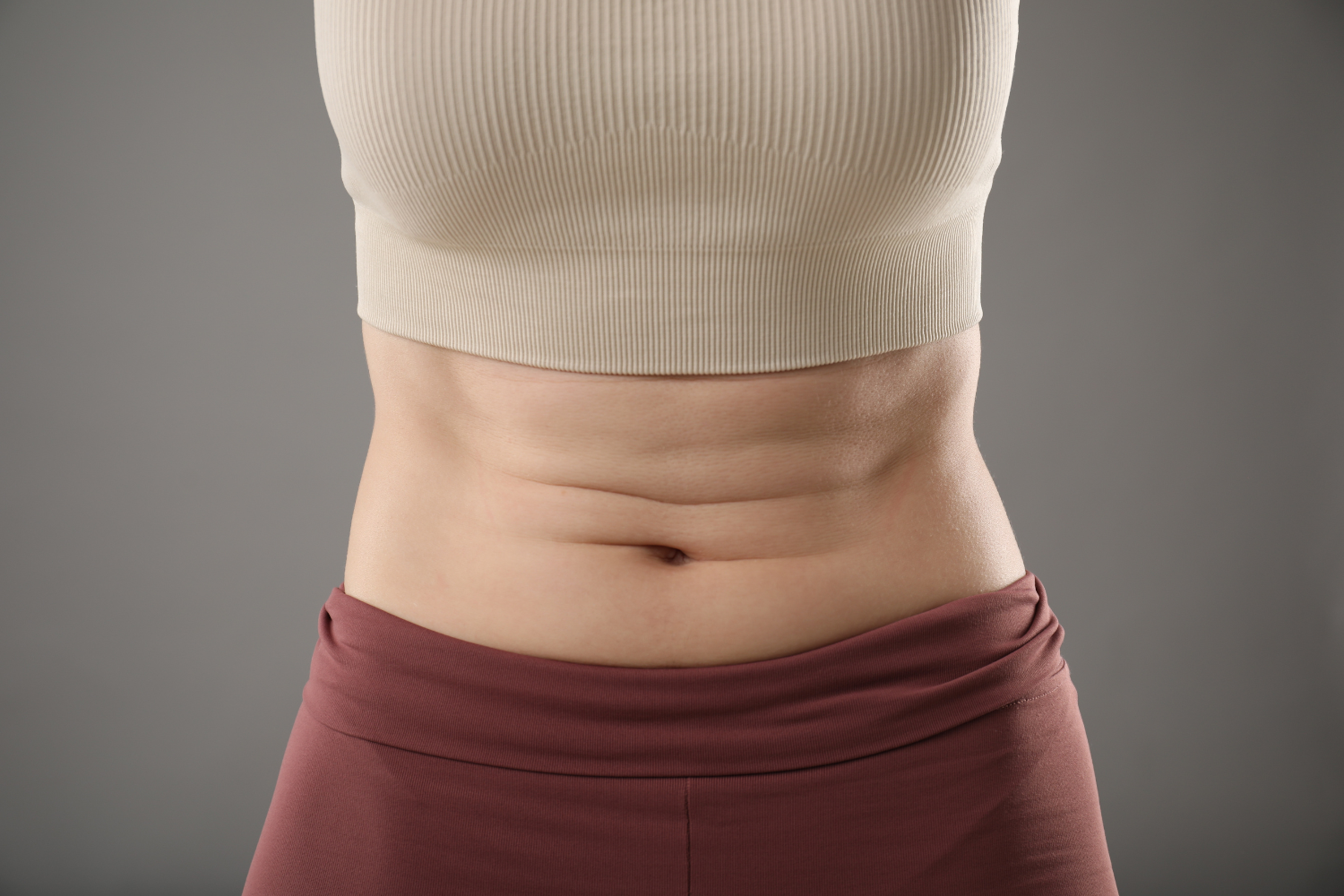
What is a breast reduction? Benefits, candidates, and recovery
Discover what a breast reduction is, who can benefit, its main advantages, how it differs from a breast lift, and what recovery is like.
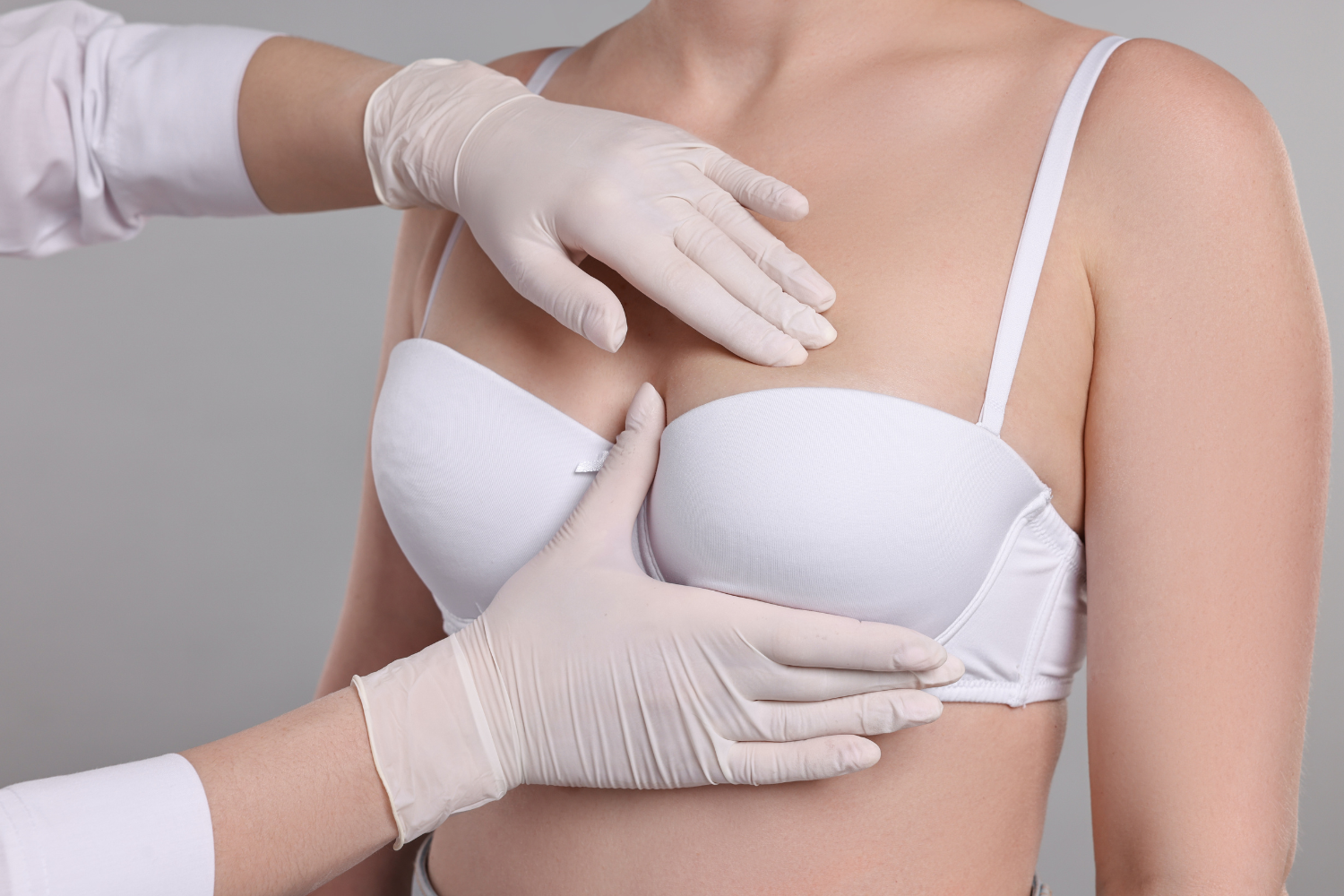
Living with breasts that are too large can affect much more than just how you look in the mirror. For some women, the weight of breast tissue can become a constant source of discomfort, limiting physical activity and making everyday tasks feel more difficult than they need to be.
When breast size is out of proportion with the rest of the body, it can also affect your confidence and the way you dress. Many women spend years adjusting to special bras, avoiding certain clothing, or enduring discomfort without knowing that there is a surgical option to address these issues.
breast reduction, is a procedure designed to decrease the size and weight of the breasts, as well as improve their shape and proportion. For many patients, it can represent a significant change in both their comfort and their quality of life.
Dr. García Rodríguez can help you determine if a breast reduction is right for you. A personalized consultation allows us to evaluate the size and shape of your breasts, understand your goals, and learn what you can expect from the surgery and recovery.
What is a breast reduction?
Breast reduction is a plastic surgery procedure that decreases breast size by removing a selected amount of breast tissue, fat, and skin. During the procedure, the surgeon also reshapes the remaining tissue to create a more proportionate shape.
The surgery is not just about reducing volume. It can also reposition the nipple-areola complex and improve the overall shape of the breasts when there is sagging or excess skin.
The amount of tissue removed depends on each patient's anatomy, their goals, and the characteristics of their breasts. There is no standard amount that is right for every woman.
The goal is to achieve breasts that are more proportionate to the body, maintaining a natural appearance while considering both functional and aesthetic needs.
Why do women consider a breast reduction?
The reasons for having a breast reduction can be both physical and emotional. Many patients seek surgery after experiencing discomfort related to the weight and size of their breasts for years.
Back, neck, and shoulder pain
The weight of large breasts can contribute to discomfort in the neck, shoulders, and back. Some women also develop deep grooves from bra straps due to constant pressure.
When this discomfort regularly affects daily activities, a breast reduction may be an option worth discussing with a specialist.
Difficulty exercising
Large breasts can make certain physical activities difficult. Running, jumping, or performing high-impact exercises can be uncomfortable, even when wearing a proper sports bra.
Reducing breast volume can make movement easier and allow some patients to feel more comfortable during physical activity.
Irritation under the breasts
Excess tissue can create folds where moisture and friction accumulate. This can lead to skin irritation and recurring discomfort.
Although there are conservative measures to manage these issues, some patients consider surgery when the discomfort persists.
Difficulty finding clothing
Breast size can affect how clothing fits the body. Some women find it particularly difficult to find blouses, dresses, or bras that fit comfortably.
A reduction can help achieve a different body proportion and expand clothing options.
Impact on self-confidence
Physical discomfort is not the only valid reason to consider surgery. Some women feel uncomfortable with the size of their breasts or feel they are out of proportion with their body.
The goal of a breast reduction should be personal and based on the patient's needs and expectations.
Who can benefit from a breast reduction?
A suitable candidate is typically an adult woman who has breasts that are large in relation to her body and wishes to reduce their volume.
Surgery may be especially relevant when breast size is associated with pain, physical limitations, skin irritation, or difficulty performing certain activities.
It is also important to have realistic expectations regarding what surgery can achieve. The procedure can significantly change the size and shape of the breasts, but it cannot guarantee perfect symmetry.
During a consultation, Dr. García Rodríguez can evaluate your anatomy, medical history, and goals to determine if you are a good candidate.
What happens during breast reduction surgery?
The technique depends on each patient's individual characteristics. Generally, the procedure begins with planning the incisions and the amount of tissue that needs to be removed.
The surgeon removes breast tissue, fat, and skin according to the surgical plan. Afterward, they reshape the remaining tissue to achieve a more suitable size and shape.
In many cases, the nipple and areola must also be repositioned to maintain a proportional relationship with the new breast size.
Finally, the incisions are carefully closed to promote proper healing.
The exact technique may vary depending on breast size, the degree of sagging, skin quality, and other anatomical factors.
What types of incisions are used?
The location and extent of the incisions depend primarily on how much tissue needs to be removed and the degree of reshaping required.
Periareolar incision
In certain circumstances, the incision can be made around the areola. However, when a significant amount of tissue and skin needs to be removed, this technique may not be sufficient on its own.
Vertical incision
A vertical incision can extend from the areola to the crease under the breast. This technique allows for more extensive tissue removal and breast reshaping.
Inverted T incision
For patients requiring a considerable reduction, an incision that circles the areola, continues vertically, and follows the lower breast crease may be used.
The choice of technique must be made on an individual basis. A more extensive incision does not necessarily mean a worse result, as it may be necessary to achieve the proper shape and size.
What is the difference between breast reduction and a breast lift?
The breast reduction and the breast lift they may share some techniques, but they have different goals.
A breast reduction primarily aims to decrease the size and weight of the breasts. A lift, or mastopexy, aims to elevate and reshape breasts that have sagged, without necessarily reducing their volume significantly.
During pregnancy, breastfeeding, and weight changes, breasts can lose volume and elasticity. Some women simultaneously experience excess tissue, large size, and sagging.
In these cases, a reduction can provide both a decrease in volume and an elevation of the breast shape.
The main difference lies in the amount of tissue removed and the overall goal of the procedure.
Does breast reduction leave scars?
Yes. Because the surgery requires removing tissue and skin, scars are part of the procedure.
Their location depends on the technique used. Over time, scars usually change in color and texture as they mature.
The final appearance can depend on individual factors, such as genetics, skin quality, tension on the wound, and aftercare.
Although scars cannot be completely eliminated, the surgeon plans the incisions to place them strategically whenever possible.
It is important to discuss scars during your consultation and understand what type of incision may be necessary in your case.
Can breast reduction improve quality of life?
For some patients, reducing breast volume can make activities that were previously uncomfortable easier.
Some women experience greater comfort during exercise, while others find it easier to sleep, get dressed, or perform daily activities.
When breast size contributes to physical discomfort, reducing their weight can make a significant difference.
However, results vary between patients. Surgery should not be presented as a guarantee to eliminate all back or neck pain, as those discomforts can have multiple causes.
What is recovery like after breast reduction surgery?
Recovery from a breast reduction happens progressively. During the first few days, it is common to experience swelling, tenderness, and a feeling of tightness in the breasts.
Your surgeon may recommend wearing a surgical or supportive bra during part of your recovery. There may also be temporary restrictions regarding lifting objects or exercising.
Activities should be resumed gradually and in accordance with medical instructions.
Although you may feel better after the first few weeks, the tissues continue to heal. The shape and position of the breasts may continue to change as the swelling subsides.
When can I return to exercise?
Returning to exercise depends on your individual progress and the type of activity.
Light walking can be part of your early recovery, provided it is authorized by your medical team. Higher-intensity activities, especially those involving repetitive chest movements or heavy lifting, require more time.
It is not advisable to rush back into exercise simply because the discomfort has decreased. Internal tissues need time to heal.
Dr. García Rodríguez can advise you on when it is appropriate to progressively increase your activity level.
When can I see the final result?
Changes in breast size are visible immediately after surgery, but the results continue to evolve over the following weeks and months.
Initial swelling may make the breasts appear higher, firmer, or different than expected.
As the swelling subsides, the tissues begin to settle and the shape becomes more natural.
Scars also continue to mature over several months. For this reason, the results of a breast reduction should be evaluated with patience.
What are the potential risks?
Like any surgical procedure, breast reduction carries potential risks. These may include bleeding, infection, changes in sensation, healing issues, asymmetry, and fluid accumulation.
There may also be temporary or permanent changes in nipple and skin sensation.
In certain circumstances, the ability to breastfeed after surgery may be affected. If you plan to have children in the future, it is important to discuss this aspect before the procedure.
Your surgeon should explain the specific risks related to your anatomy and the technique they are proposing.
What factors should be considered before surgery?
Planning for a breast reduction must take into account your current breast size, skin elasticity, degree of sagging, nipple position, and body proportions.
It is also important to discuss your goals. Some patients desire a significant reduction, while others seek a more moderate decrease.
If you are planning a pregnancy, you should also mention this during your consultation. Pregnancy can change the size and shape of your breasts again and affect the surgical outcome.
Maintaining realistic expectations and understanding the recovery process are essential parts of your preparation.
Frequently asked questions about breast reduction
What is a breast reduction?
Breast reduction is a surgery that decreases the size and weight of the breasts by removing breast tissue, fat, and skin. It also allows for reshaping the breasts and, when necessary, repositioning the nipples to achieve a more proportionate appearance.
Who is a good candidate for a breast reduction?
A good candidate is typically an adult woman who has large breasts that cause physical discomfort, limitations during exercise, skin irritation, or personal distress. Candidacy must be determined through an individualized medical evaluation.
Is a breast reduction the same as a breast lift?
No. Breast reduction primarily aims to decrease the size and weight of the breasts, while a breast lift, or mastopexy, aims to lift and reshape breasts that have sagged. A reduction may include a lifting component as part of the reshaping process.
How long is the recovery from a breast reduction?
Initial recovery usually requires several weeks, although the exact time varies depending on the patient and the extent of the surgery. Swelling and scarring may continue to evolve for several months.
Can a breast reduction relieve back pain?
It can help some patients whose pain is related to the weight of their breasts. However, back, neck, and shoulder pain can have multiple causes, so it should not be guaranteed that the surgery will completely eliminate these discomforts.
Will I be able to breastfeed after a breast reduction?
The ability to breastfeed after a breast reduction varies depending on the technique used and individual characteristics. If you plan to have children in the future, be sure to discuss breastfeeding with your surgeon before the procedure.
Take the first step toward greater comfort and confidence
A breast reduction can represent much more than just a change in size. For a woman who has lived for years with discomfort, limitations on exercise, or body image issues, reducing breast weight can mean a new sense of freedom.
Understanding what a breast reductionentails, who can benefit, how it differs from a lift, and what to expect during recovery allows you to approach the decision with realistic expectations.
Dr. García Rodríguez can evaluate your individual characteristics and explain which technique might be right for achieving a proportionate and natural result. The surgery should be tailored to your body, your needs, and your goals.
Schedule a consultation with Dr. García Rodríguez to find out if a breast reduction can help you feel more comfortable, move with greater freedom, and regain confidence in your body.