Ultrasonic Cavitation: Does It Really Destroy Fat Cells?
How ultrasonic cavitation works, who are ideal candidates, and what results you can expect. Clear and secure medical information.

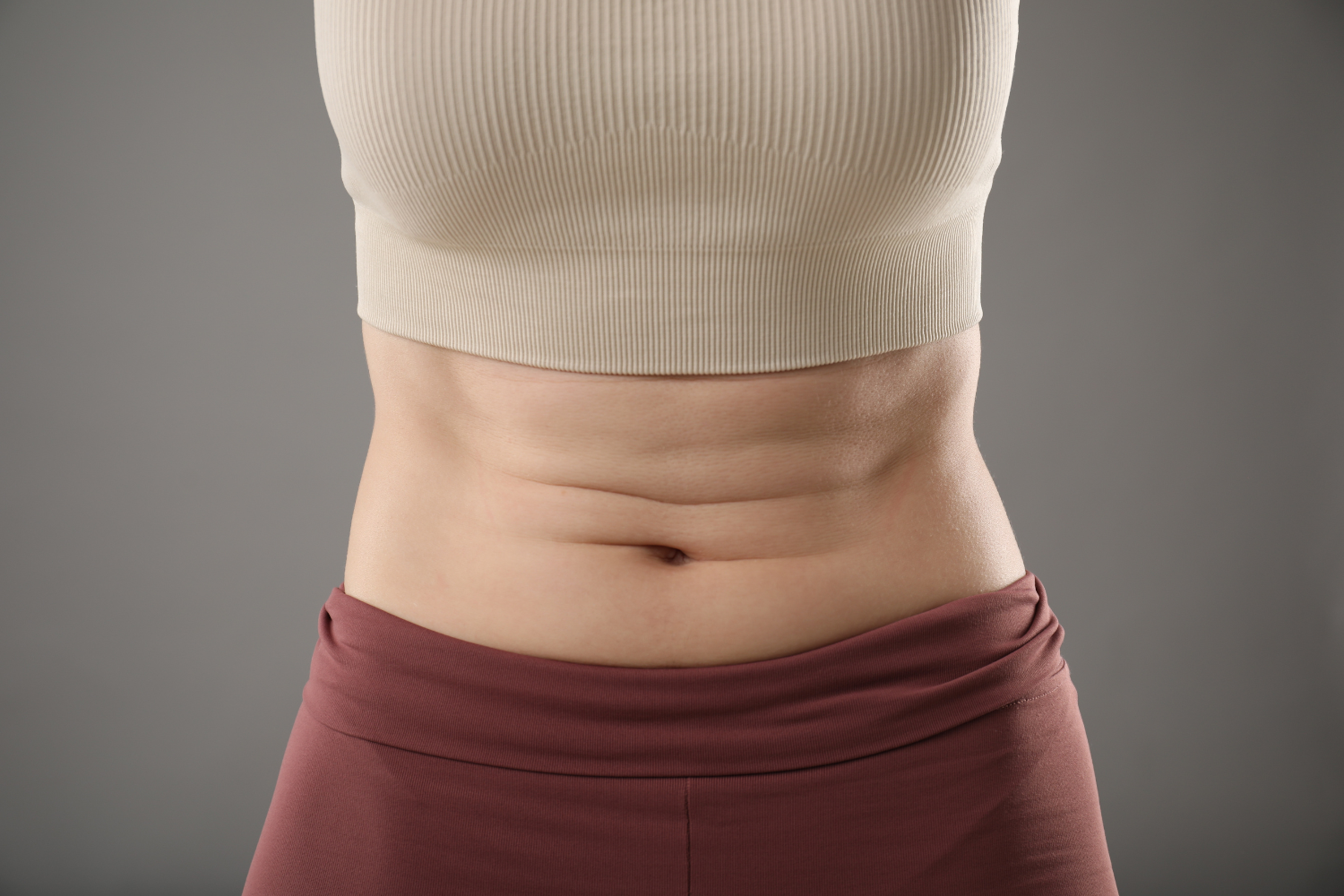
Feeling uncomfortable with certain areas of the body can affect much more than just appearance. Sometimes, despite diet and exercise, localized fat in the abdomen, flanks or thighs doesn't seem to go away. This frustration leads many people to seek safe, effective alternatives with visible results.
In this context, the ultrasonic cavitation has become one of the most requested non-surgical aesthetic treatments. It promises to reduce fat without surgery, without anesthesia and without long recovery periods. But a key question arises: does it really eliminate fat or does it only produce a temporary effect?
In the consultation of the Dr. Antonio Garcia Rodriguez, each treatment is evaluated from a comprehensive perspective. It's not just about reducing volume, but about achieving body harmony with confidence and realistic expectations.
Understanding how this procedure works, who the ideal candidates are and what results to expect is critical before making a decision. Clear, medically based information is the first step toward natural and safe results.
What is ultrasonic cavitation?
La ultrasonic cavitation is a non-invasive aesthetic treatment that uses low-frequency ultrasound waves to act on subcutaneous adipose tissue. Its objective is to fragment fat cells to facilitate their natural elimination by the body.
Unlike surgical procedures such as liposuction, cavitation does not involve incisions or direct fat removal. It works by means of mechanical energy applied in a controlled manner to specific areas of the body.
It's important to understand that it's not a generalized weight loss method. It is designed to treat localized fat in patients with a relatively stable weight.
How does ultrasonic cavitation work?
Mechanism of action of ultrasound
The cavitation equipment emits low-frequency ultrasonic waves that penetrate to the subcutaneous fat layer. These waves cause pressure changes in the interstitial fluid that surrounds adipose cells.
During low pressure phases, microbubbles form. In high-pressure phases, these bubbles grow until they collapse. This physical phenomenon is known as cavitation.
Adipocyte rupture and fat emulsification
When microbubbles implode, they release localized energy in the form of microjets and shock waves. This energy breaks the adipocyte membrane, releasing their fat content.
The released triglycerides are transformed into fatty acids and glycerol, which the body processes through the lymphatic system and liver. Subsequently, they are eliminated naturally.
In practical terms, fat is not “sucked” Like in surgery, but if Fragments to facilitate physiological removal.
Role of the lymphatic system
Lymphatic drainage is critical to successful treatment. Adequate hydration, light physical activity after the session and, in some cases, complementary therapies help to optimize lipid removal.
Without this efficient metabolic process, results may take longer to become visible.
Does it really eliminate fat or is it temporary?
This is the central question. The answer is that fat cells that break down don't regenerate easily. Therefore, the reduction obtained can be durable.
However, the body can increase the volume of fat in other cells if there is a subsequent caloric excess. This means that the results are highly dependent on lifestyle.
Ultrasonic cavitation reduces volume in specific areas, but it is not a substitute for healthy habits or surgical procedures when there is significant excess fat.
Differences between cavitation and surgery
It's common to compare cavitation with liposuction. However, they are different procedures with different objectives.
Liposuction removes large volumes of fat immediately through surgical aspiration. It requires anaesthesia and a recovery period.
Cavitation, on the other hand, is progressive. Several sessions are required and the results appear gradually. It is ideal for patients with mild to moderate localized fat who are looking for a non-surgical option.
In a specialized assessment, the doctor determines which technique is most appropriate on a case-by-case basis.
Who are ideal candidates for ultrasonic cavitation?
Not all people are candidates. Proper selection is key to achieving natural and safe results.
Ideal candidates are those who have localized fat in the abdomen, thighs, flanks or arms, maintain a stable weight and are in good general health.
It is not recommended for pregnant women, patients with serious liver diseases, coagulation disorders, pacemakers or active infections in the area to be treated.
In consultation, the specialist evaluates the thickness of the adipose tissue, the quality of the skin and the patient's expectations. An honest diagnosis avoids future disappointment.
What results can be expected?
The results are usually observed after several sessions, usually between six and eight, depending on the protocol.
Many patients report a reduction of a few centimeters in the treated area and improvement in body contour. It's important to understand that the effect is progressive and natural, not immediate.
The skin may show better texture when cavitation is combined with radiofrequency, as this helps stimulate collagen and firmness.
Maintenance depends on healthy habits. A balanced diet, hydration and exercise are key to maintaining changes.
Is ultrasonic cavitation safe?
When performed under medical supervision and with certified equipment, Ultrasonic cavitation is a safe procedure.
There may be mild redness or a temporary feeling of warmth in the treated area. These effects usually go away within a few hours.
The risk increases when performed without medical evaluation or in patients with undetected contraindications. Therefore, go to a specialist with training in plastic surgery and aesthetic medicine is essential.
Combination with other treatments
In many cases, cavitation is integrated into combined protocols to enhance results.
Radiofrequency can improve skin firmness after volume reduction. Shock waves stimulate microcirculation and promote lymphatic drainage.
A personalized plan allows us to address localized fat, sagging and skin quality in a comprehensive manner, always respecting patient safety.
Realistic Expectations and Medical Approach
One of the most important aspects of any aesthetic treatment is honesty. Cavitation doesn't radically transform the body in a single session.
It's a useful tool within a comprehensive plan. In skilled hands, it can bring visible and natural improvements. But it doesn't replace surgery when there is significant excess fat or severe sagging.
The key is a professional evaluation to determine if the treatment actually meets your goals.
Ultrasonic Cavitation FAQs
How many ultrasonic cavitation sessions are needed?
Between six and eight sessions, with weekly intervals, are generally recommended. The exact number depends on the volume of fat and the individual response.
Does ultrasonic cavitation hurt?
It's usually not painful. Heat or slight vibration may be felt in the treated area. Most patients describe it as a comfortable procedure.
Can fat be recovered after treatment?
Treated fat cells usually don't regenerate. However, weight gain can cause build-up in other areas. Maintaining healthy habits is essential.
Does cavitation replace liposuction?
No. It is indicated for mild to moderate localized fat. In cases of higher volume, surgery may provide more noticeable and definitive results.
Decide with information and security
La ultrasonic cavitation can be an excellent option for those looking to reduce localized fat without surgery. When indicated correctly, it offers progressive, natural results with minimal recovery.
However, it is not a magical or universal treatment. It requires proper diagnosis, realistic expectations and a commitment to lifestyle. Safety and medical ethics must always be above trends.
In the practice of Dr. Antonio Garcia Rodriguez, each patient receives a personalized evaluation to determine if cavitation is truly the best alternative or if another procedure will provide better results.
If you are considering this treatment and would like a professional opinion based on experience and aesthetic judgment, schedule a consultation. Knowing if you are the ideal candidate is the first step towards a more secure and harmonious version of yourself.